
Welcome to My Play Based Classroom Blog
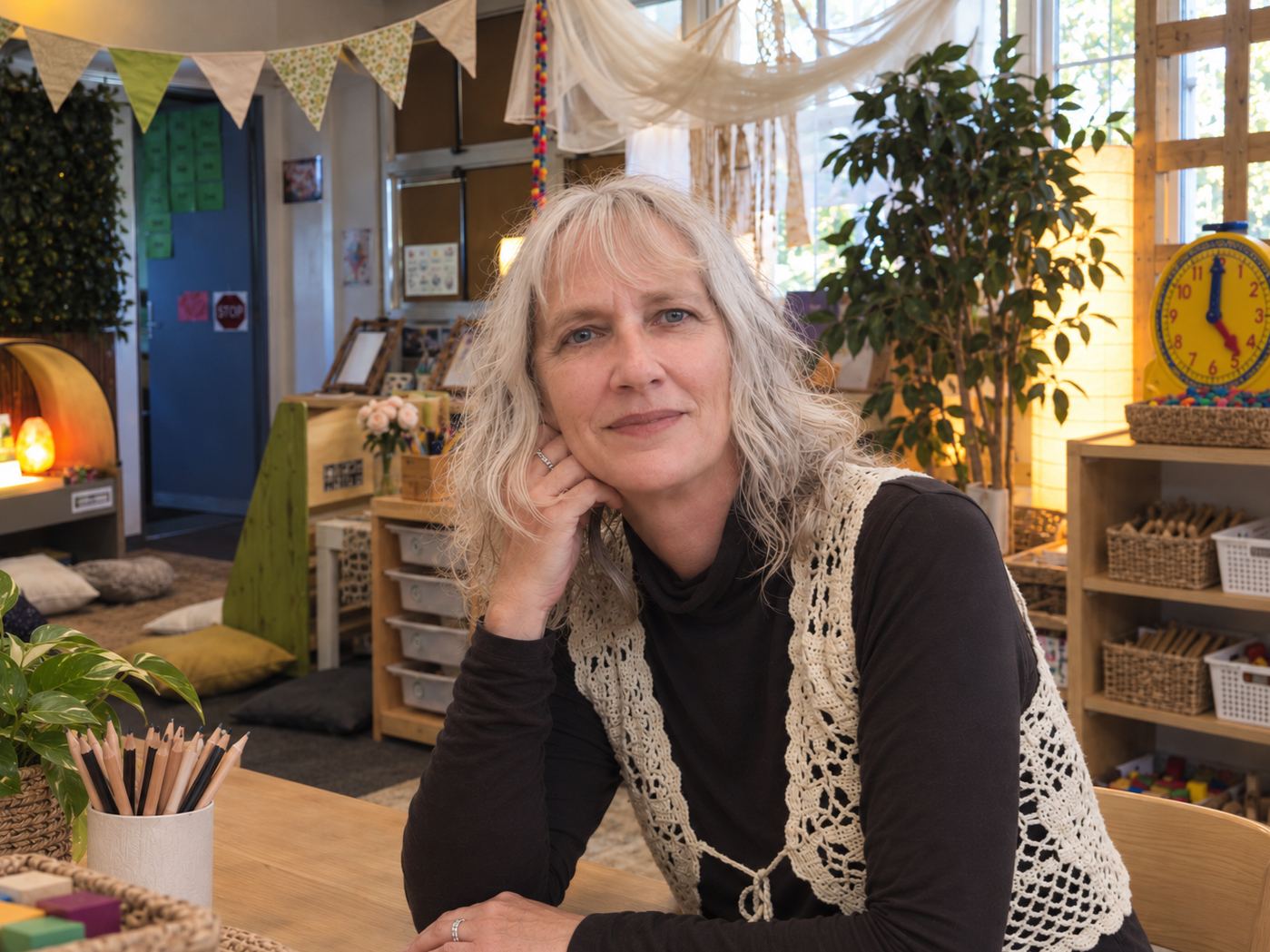
Hi there!
I'm Janelle - a play-based early years teacher who is super passionate about creating learning experiences that boost curiosity, creativity, and academic growth.
On this blog, I share practical tips for meeting curriculum benchmarks through a balance of explicit teaching and play, setting up the ideal learning environment and fostering social-emotional development.
So, let’s make play-based teaching work in your preschool, kindergarten, or first-grade classroom!

Using Open Ended Questions to Support Teaching ACARA Science
Transform science lessons with open ended questions in science. Get classroom examples, inquiry prompts, and ideas aligned with the ACARA science curriculum.

Open Ended Questions for Reading Comprehension in Literacy
Open ended questions for reading comprehension help young readers think deeply, infer, and explain ideas. Learn practical examples, tips, and free prompts.

The Teacher’s Role in Play-Based Learning: How to Observe and Scaffold Play
Discover the teacher’s role in play-based learning. Learn how to observe, scaffold, co-play and use open-ended questions to deepen play and learning in the early years.

Why Play-Based Learning Isn’t Working and How to Fix It
Struggling with behaviour, transitions or chaos during play? Learn why play-based learning isn’t working and how to fix it with simple, structured strategies.

Planning for Play: Balancing Curriculum & Child-Led Learning
Find the balance between play-based exploration and meeting curriculum goals in your early years classroom. Learn how to plan for play with confidence and clarity.

Creating a Conducive Learning Environment in the Early Years
Discover how to create a conducive learning environment that sparks curiosity, collaboration, and deep play in early years classrooms.

Loose Parts Play Ideas for Early Childhood Learning
Discover loose parts play ideas for early childhood classrooms including art, maths, literacy, science, sensory play, construction and outdoor play using open-ended materials.

The Role of Agency in Early Childhood Education
Foster agency in early childhood education and discover how autonomy supports motivation and deeper engagement in the classroom.

How Play Based Learning Supports Childrens Holistic Development
See how play-based learning develops children’s physical, social, emotional, cognitive, and creative skills in meaningful, joyful ways.

The Research on Play Based Learning in Early Childhood
Learn what the research says about play-based learning and why evidence shows it leads to stronger academic, social, physical, and cognitive development outcomes for children.

Examples of Play-Based Learning: Symbolic Play in Action
Discover real examples of play-based learning and symbolic play that build literacy, numeracy, and critical thinking through active, creative, scaffolded play.

What is Play-Based Learning? A Guide for Early Years Teachers
Discover what play-based learning is, why it works, and how to use it in early years classrooms. Benefits, examples, and a free teacher guide included.

Implementing a Play Based Learning Curriculum that Works
Discover how to build a play based learning curriculum that balances play and academic benchmarks with practical tips, classroom examples, and teacher strategies.

F to 2 Australian Curriculum English V9.0 Explained
Discover how to teach F–2 Australian Curriculum English with confidence. Clear guidance, practical examples, and resources to support student learning.

F to 2 Australian Curriculum Maths V9.0 Explained
Discover how to teach Australian Curriculum Maths F–2 with clear aims, six strands explained, and play-based strategies that save you prep time.

Effective Strategies for Teaching Acara Foundation Stage in the Classroom
Discover effective strategies for teaching the Acara Foundation Stage through play-based learning, differentiation, and authentic assessment.

Growth Mindset for Kids: A Teacher’s Guide
Discover how to teach a growth mindset for kids with practical strategies, activities, and resources to build resilience, confidence, and persistence.

Child-led Learning Provocations that Follow Childrens Interests
Discover how to use child-led learning provocations based on children's interests to boost engagement and meet curriculum goals in your play-based classroom. Includes examples, tips, and a free observation checklist!