
Child-led Learning Provocations that Follow Childrens Interests
Discover how to use child-led learning provocations based on children's interests to boost engagement and meet curriculum goals in your play-based classroom. Includes examples, tips, and a free observation checklist!
Have you ever had a child wander aimlessly during play-based investigation time - uninterested in the beautiful spaces you’ve spent hours setting up?
✔ You’ve followed the curriculum
✔ carefully planned your learning invitations
✔ made everything open-ended
… and still, nothing seems to stick!
It’s frustrating!!!
You know the child is capable. You know they’re curious. But they just don’t seem engaged.
And meanwhile, you’re trying to tick off curriculum outcomes and keep the rest of the class meaningfully occupied.
The truth is, sometimes a learning invitation falls flat because it doesn’t tap into the child’s interests. No matter how well planned, it misses the spark.
That’s where child-led learning comes in.
In this post, I’ll show you how to set up child-led learning provocations that follow your children’s interests while still targeting the curriculum.
You’ll see how this approach doesn’t mean more work for you either. It means smarter, more responsive planning.
I’ll share real stories from my classroom and give you practical strategies for observing, documenting, and designing provocations that work.
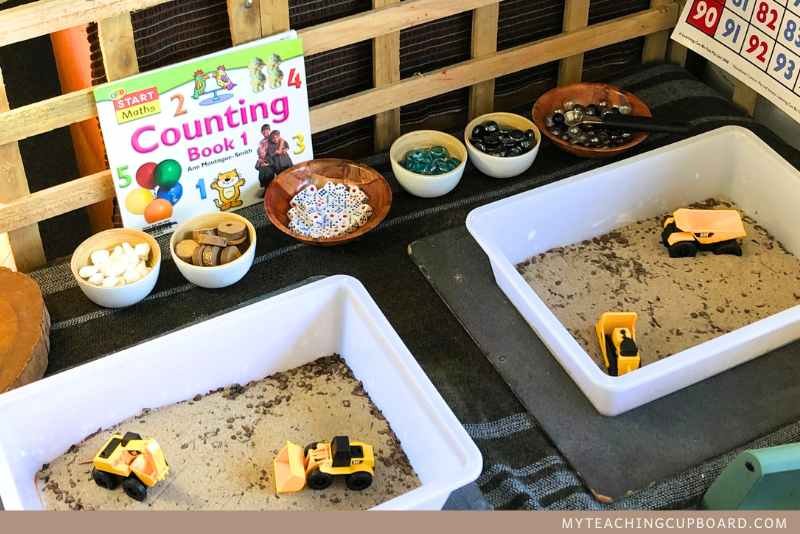
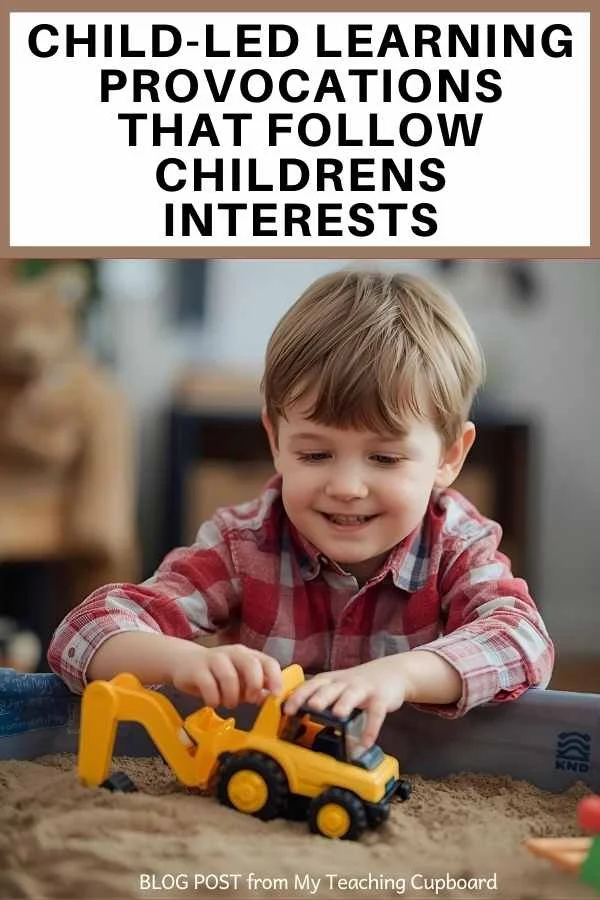
Like the time I added a few diggers to a sand tray for a child obsessed with construction and watched him dive into sorting, counting, and comparing rocks without even realising he was doing a maths activity!
Or how one little boy, uninterested in any of our spaces, was drawn to water play. I used that as my entry point, and from there, we built learning provocations that met his developmental needs and helped him join in with peers and exploring new areas with confidence.
Child-led learning isn’t about losing control - it’s about shifting your focus.
When you follow the child’s lead, you’ll not only meet curriculum goals but also build communication skills, encourage problem-solving, and support the overall development of young children in a way that feels natural and joyful.
Let’s take the pressure off.
Let’s turn natural curiosity into powerful, curriculum-aligned learning
…without reinventing the wheel each week!
What Is Child-Led Learning and Why Does It Matter?
Child-led learning is an approach where the child’s interests, curiosity, and developmental needs drive the learning process. Instead of starting with a fixed curriculum activity or adult-driven objective, we begin by observing what fascinates the child and then intentionally design learning opportunities that meet them there.
You’ve probably heard people ask:
What is the child-led method?
What is an example of a child-led activity?
How is child-led learning different from free play?
Here’s how I explain it to new teachers or parents:
Child-led learning isn’t the same as free play - although both have value.
In free play, children choose what to do and how to do it, with little or no adult involvement.
With child-led learning, educators are highly intentional. We observe children’s interests, identify learning opportunities, and then set up targeted provocations, environments, and experiences that gently guide children toward curriculum outcomes - without stealing their sense of agency.
It also differs from traditional teacher-directed lessons, where all students are expected to complete the same task in the same way, regardless of their interests or developmental readiness.
In contrast, the child-led approach to learning is more flexible, responsive, and grounded in real engagement.

As Dr Maria Montessori famously said, “Follow the child.” She believed that children have an inner drive to learn when given freedom within a carefully prepared environment. The Montessori classrooms were some of the first to show how powerful this could be in practice.
The Reggio Emilia approach builds on this by viewing the child as capable, competent, and full of potential. In Reggio-inspired classrooms, children are active participants in their learning journey. Teachers act as guides, co-learners, and researchers - constantly observing and adapting to support meaningful learning experiences.
Similarly, the Walker Learning Approach, widely used in Australian early childhood settings, encourages educators to embed learning through play by building on each child’s own learning journey. It places strong emphasis on the early years, recognising the importance of relationships, identity, and emotional development in shaping how children learn.
In all of these philosophies, the message is clear: when children are trusted to take charge of their learning, they develop not just academic skills, but also problem-solving skills, social skills, communication skills, and a love of learning that lasts.
The benefits of child-led learning are clear!
👉 Want to learn more about how this connects to provocations in your classroom?
Read this next: What is a Learning Provocation?

The Numerous Benefits of Following Children’s Interests
When we follow a child’s own interests, we’re not only making learning more enjoyable - we’re also making it more effective.
Children are naturally curious. When we lean into that curiosity, we see a powerful shift in engagement, motivation, and outcomes.
Engagement goes up. Disruption goes down. And the learning becomes meaningful, not just memorable.
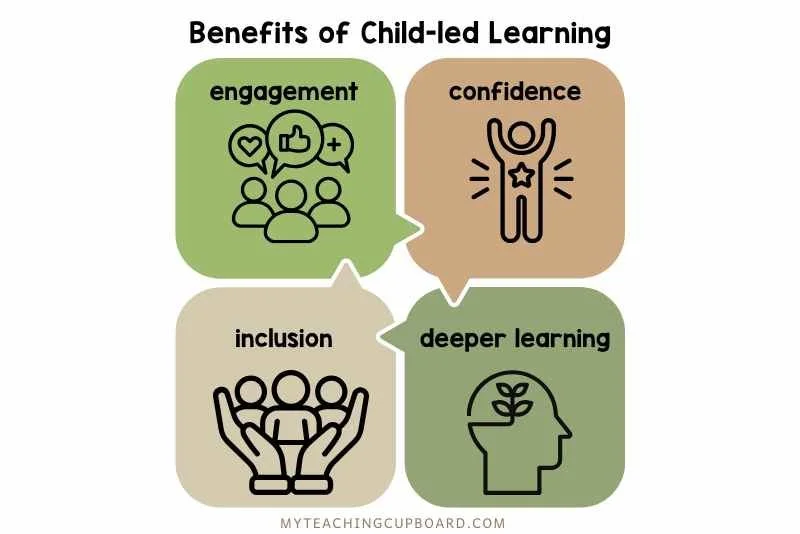
Here’s why following children’s interests is one of the most powerful tools you can use in early childhood education.
Increased Engagement and Intrinsic Motivation
Most early childhood educators have seen the difference between a child going through the motions and a child genuinely excited to explore. When learning connects with something they care about (dinosaurs, diggers, water play, superheroes) they lean in. They stay longer, think deeper, and come back for more.
This kind of intrinsic motivation leads to a stronger investment in the learning process. It also builds communication skills, language development, and social skills, as children are more likely to discuss, negotiate, and collaborate when they’re actively interested in what they’re doing.
Deeper Understanding of Curriculum Goals through Meaningful Context
It’s one thing to teach math skills with a worksheet. It’s another to set up a sand tray with diggers, rocks, and signs - where a child is naturally sorting, counting, and comparing. The learning is embedded, authentic, and far more likely to stick.
By using child-led learning provocations, we can target the curriculum in a way that feels relevant and purposeful to each child.
According to Early Childhood Australia, when educators respond to children’s interests, they create more meaningful and lasting learning experiences that support overall development and academic success.
Builds Confidence, Independence, and Critical Thinking
When younger children are given ownership of their learning, they become more confident in their decisions and more capable of solving problems. They learn to take risks, test ideas, and persevere.
These are the foundations of critical thinking, resilience, and long-term success.
It’s also an excellent way to support holistic development. Children feel safe to explore at their own pace, build self-belief, and become lifelong learners - all while developing both academic and emotional skills.
Supports Inclusion for Neurodivergent or Developmentally Younger Students
For some children - especially those who are neurodivergent or those still developing key regulation or communication skills - the typical classroom setup just doesn’t work.
But when we follow a child’s lead, we make room for everyone to learn in a way that fits their unique needs.
Using provocations that follow the child’s lead, we can meet them where they are and gently scaffold new learning, routines, and social behaviours without pressure or resistance.
I’ve seen this in action many times.
One of my students, who had little interest in group tasks or structured areas, lit up when he discovered our water table. I used this as a bridge to create provocations around floating, sinking, measuring, and pouring - gently connecting him with his peers and giving him purpose-driven learning opportunities he could access on his terms.

The Teacher’s Role in Child-Led Learning
Just because it’s child-led doesn’t mean the teacher steps back entirely.
In fact, teaching in a child-led classroom is highly intentional. We’re constantly observing, interpreting, and designing purposeful provocations that align with both the child’s interests and curriculum goals.
Here’s what that looks like in practice.
Teacher as Observer
It starts with noticing.
The child who always gravitates toward the water table, the group fascinated by insects, the quiet child who lines up blocks in elaborate patterns. These small moments are the seeds of meaningful learning experiences. By slowing down and really watching, we can begin to see the threads worth following.
A simple tool like an observation checklist can help capture those moments and patterns. I created a printable version I use every single day to record interests, document social groupings, and reflect on possible next steps.
You can download it for free HERE in My Free resources Library

Teacher as Documenter
Once you’ve observed a pattern, the next step is to make learning visible.
This might be in the form of anecdotal notes, photographs, or a quick video of a child explaining what they’re doing. Documenting gives you the evidence to connect the experience back to curriculum learning outcomes.
It also helps you notice the progress you might otherwise miss. A child who once flitted from area to area might now spend 20 minutes engaged in an activity connected to their interest. And that’s tremendous growth!
Teacher as Curator
Think of your role as someone who curates an environment filled with beauty, purpose, and invitation.
This doesn’t mean buying expensive materials. Often, it’s simply about how you present them. A woven basket of natural materials, a framed photo next to a provocation, or a magnifying glass hung near a bug hotel can elevate a space and attract attention.

You’re also choosing materials that will support the child’s current interest while gently introducing new skills. This is where you can nudge them toward deeper thinking or link their interest with key curriculum areas.
Teacher as Facilitator
Facilitating doesn’t mean directing. It means knowing when to step in - and when to step back.
Sometimes you might offer a question, a new material, or a prompt to extend their thinking. Other times, your best move is to quietly observe and let the child take charge of their learning.
I once had a child who wasn’t engaging with any of our planned spaces. He was developmentally behind his peers and often disrupted the play of others. But he loved water. So I set up a series of provocations using the water table - measuring jugs, floating objects, funnels, clear tubes. Slowly, he began to engage with purpose. He started experimenting, then explaining, then inviting others to join. From that one small starting point, his confidence, focus, and communication grew.
He didn’t need a lecture or a structured task. He needed a meaningful way in.
And I needed to notice it.
That’s the heart of child-led learning: tuning in, responding, and giving children the space to show us how they learn best.
For more help on setting up purposeful provocations intentionally and responsively, read my blog post: 3 Steps to Setting Up a Learning Provocation

7 Tips for Following Children’s Interests in Learning Provocations
Designing effective child-led provocations doesn’t have to mean overhauling your whole classroom each week. It’s more about being intentional - observing, tweaking, and adding little thoughtful touches that follow your students’ interests while still embedding curriculum goals.
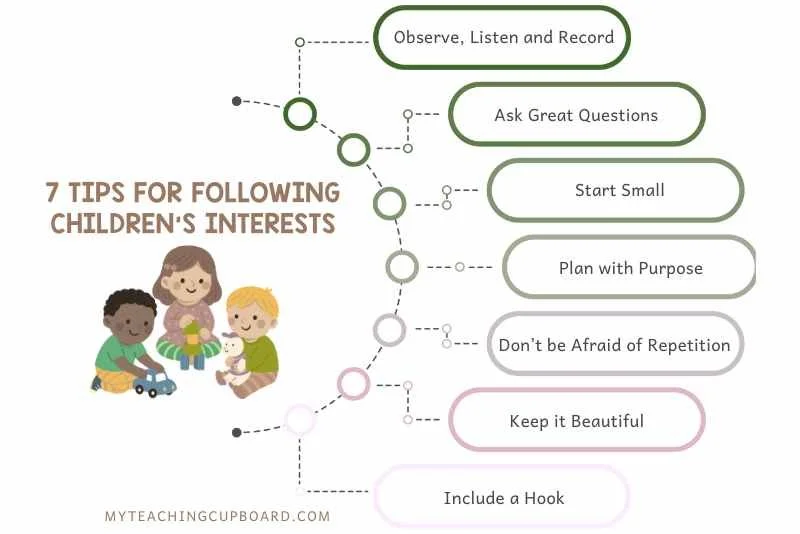
Here are some simple, realistic ways to do just that.
1. Observe, Listen and Record
The first step (and arguably the most important thing) is to slow down and notice.
What are your children talking about? What toys or materials do they return to again and again? Are there shared themes - like construction, animals, superheroes, or water?
Use your observation checklist to jot down patterns or interests as they emerge. You’ll start to see what excites your learners and how that can be used to spark deeper, curriculum-aligned learning.
2. Ask Great Questions
Dig a little deeper during morning meetings, investigation time or group chats. What did they enjoy playing yesterday? What are they curious about? What do they want to learn more about?
ask open-ended questions like
What would happen if…?
What could we try next?
How could we build that?
Questions like these not only promote communication and critical thinking, but also give you clear entry points for designing provocations that are meaningful.
3. Start Small
You don’t have to set up a brand-new area every time. This is a trap many new educators fall into. Sometimes all it takes is adding one small, high-interest item to an existing space - like a handful of diggers to your block area, or a magnifying glass and bug jars to your outdoor play.
It’s a great way to test any interest in new things before going further.
You’ll know very quickly whether you’re on the right track.
4. Plan with Purpose
Even the most playful provocation should be designed with intention.
As you follow a child’s lead and their personal interests, link it back to your learning outcomes. Can you embed early literacy, numeracy, or science skills through the materials and setup?
This helps keep your learning spaces focused and ensures you’re meeting both the child’s needs and curriculum requirements.
5. Don’t be Afraid of Repetition
Children often return to the same interest repeatedly - and that’s not a bad thing!!
Instead of changing the provocation or telling them they can’t work in this space today, think about how you could introduce a new material, prompt, or challenge to extend their thinking.
Remember - familiarity builds confidence, and deeper thinking and learning often requires repeated exposure over time.
6. Keep it Beautiful
Children are drawn to inviting, well-presented spaces.
You don’t need expensive materials. Just thoughtful presentations.
A fabric backdrop, natural light, labelled baskets, or a photo frame with a question can make a big difference.
Beauty invites calmness, attention, and care. It sets the tone for meaningful exploration.
7. Include a Hook
A simple hook, such as a theme based on the seasons or a current class interest, can draw even reluctant learners in.
One of my most successful writing provocations started when I added a few Spider-Man accessories to the writing table. It turned into a wildly popular space - so much so that I had to create a waiting list!
By following their love of superheroes, I created a space that ticked off multiple literacy goals while keeping the children engaged and excited.
Read the full story here: Writing Provocations – How to Motivate a Child to Write

Real-Life Examples of Child-Led Learning Provocations That Work
When you begin following the child’s lead, you’ll start to notice something shift.
The energy changes.
Children who once floated from one activity to another start engaging with purpose. Even your more reluctant learners begin to participate in meaningful ways.
Here are some real examples from my classroom where following the children’s interests made all the difference.
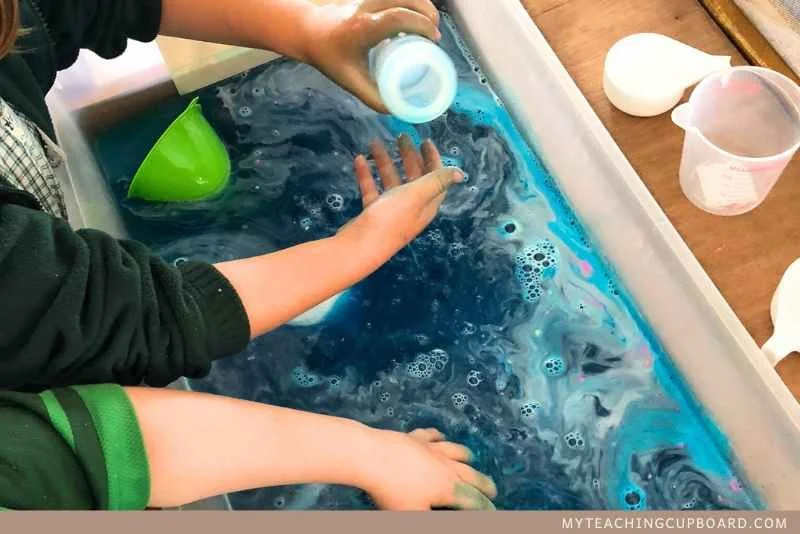
🌊 Water Play Provocations that Sparked Connection and Learning
I once had a little boy who didn’t seem to engage with any of our learning areas. He found it difficult to focus and often disrupted others’ play.
But he loved water.
So, I set up a simple water table provocation with measuring cups, clear plastic tubes, floating and sinking objects, and a laminated prompt cards with open-ended questions. It might have looked like free play from the outside, but underneath it all, he was exploring volume, predicting outcomes, using new language, and - most importantly - working alongside others.
Over time, he began to engage more confidently with other spaces. His social skills grew, and so did his independence. What started as water play became a pathway into deeper learning across different areas of the classroom.
🚧 Digger-themed Maths Provocations that made Counting Irresistible
Another child in my class was obsessed with construction vehicles - especially diggers. I decided to use that as the hook for a numeracy provocation.
I filled a sand tray with rocks, loose parts, ten frames, and a handful of mini diggers. I added a few signs and simple task cards that encouraged sorting by colour and size, counting loads of rocks, and making number patterns with the materials.
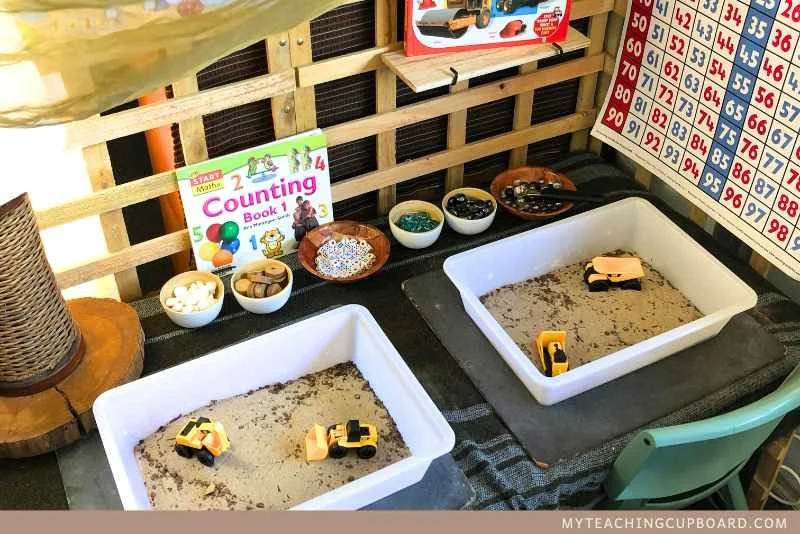
He didn’t even realise he was doing maths.
He was too busy transporting, sorting, and talking through what he was building. And yet, he was practising early number concepts, one-to-one correspondence, and measurement.
The bonus? Other children quickly joined in, and the learning became collaborative and contagious.
🐰 Seasonal Provocations that Align with Curriculum Goals
Using seasonal interests is another great way to hook children in while still embedding learning outcomes.
Around Easter, I set up an Easter themed math station. It was a simple adding machine using small plastic eggs, bunny-themed ten frames, and colourful pom poms.
The children were already excited about the theme, so the provocation felt familiar and fun. But underneath that, we were working on pattern recognition, subitising, sorting, counting and early addition - all through purposeful play.
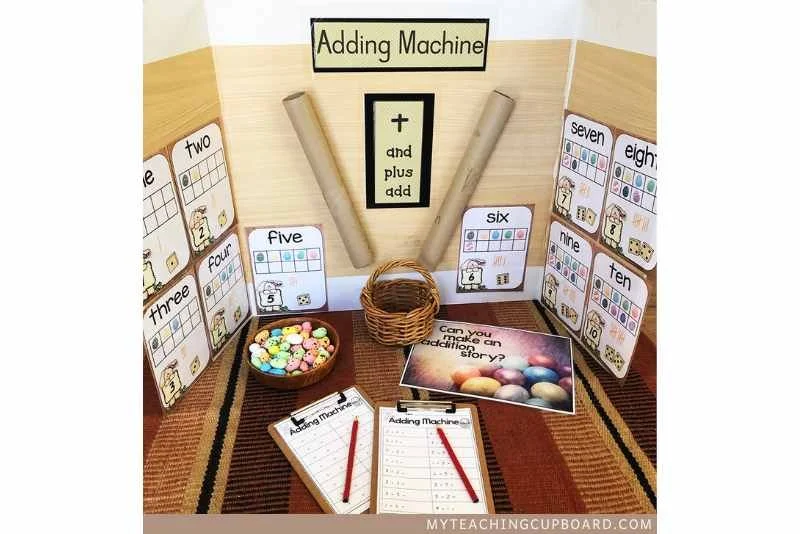
You can easily adapt this idea across the year. Think spider webs and rhyming in October, mini Christmas tree measuring provocations in December, or Autumn nature tables for science in April. These small, seasonal touches help keep your learning invitations fresh and relevant without needing a full reset each term.
Need help setting these up?
Explore my Investigations collection for instant downloads and ready-to-go provocations that follow children’s interests while still supporting your curriculum.

How to Link Provocations to the Curriculum (Without Losing the Magic)
One of the most common concerns teachers have and a question I get asked a lot when it comes to child-led learning is: How do I make sure I’m still meeting all those curriculum objectives?
It’s a valid question.
In early childhood education, we’re constantly balancing the need for meaningful learning experiences with the requirements of formal outcomes.
But here’s the good news - these really don’t need to be at odds.
Child-led provocations are not random or aimless. When planned with intention, they can hit curriculum outcomes in powerful and authentic ways.
Aligning Provocations with ACARA V9
With the updated Australian Curriculum (Version 9), there’s a stronger focus on inquiry, critical thinking, and real-world application - especially in the early years. This actually supports child-led approaches beautifully.
Start with what the child is interested in, then layer in curriculum outcomes.
For example:
If children are fascinated by bugs, link it to biological sciences or descriptive writing.
If they’re building ramps for toy cars, explore measurement and force in science or maths.
If they’re into pretend play, set up a dramatic play area that promotes oral language, social negotiation, and early literacy skills. Bonus if you also link it to a current curriculum theme like families in HASS or properties of materials in Science.
It’s not about changing what children are doing - it’s about recognising the learning in it and extending it with purpose.
So let’s take some pressure off. If you are new to a play-based pedagogy, you may find it helpful to read my comprehensive blog post on How to Start with Play-Based Learning. It lays out the essentials like setting up your environment, balancing explicit teaching with play, and getting started with routines that make child-led learning easier to manage.

Observation is Key
My observation checklist is what keeps everything aligned and manageable for me. It gives me space to note the child’s current interest, what area they’re playing in, the skills I’m observing, and most importantly, ideas for how to extend that learning in a way that connects with curriculum goals.
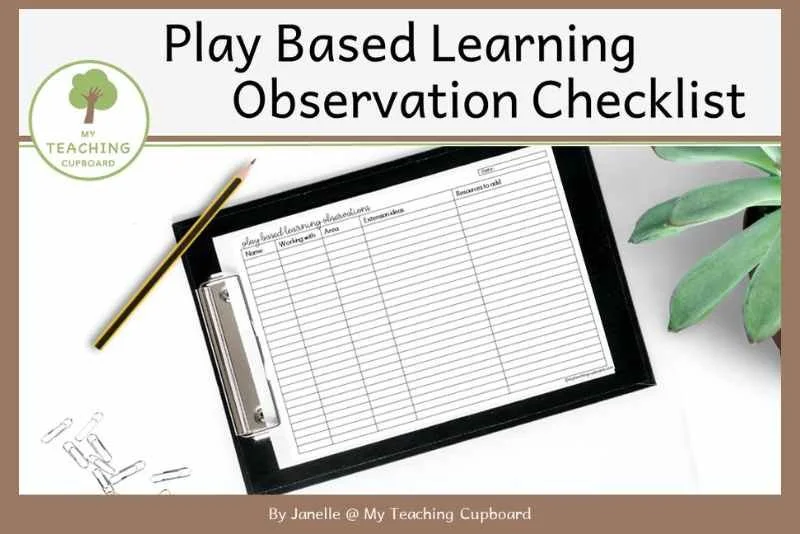
It’s simple but powerful.
Download your free observation checklist here.
My Planning Approach: curriculum + interest = engagement
When planning provocations, I always come back to this equation:
curriculum + interest = engagement
By blending what the curriculum requires with what the child is already interested in, we create a learning experience that’s not only compliant but compelling.
That’s how we keep the magic alive while still ticking all the boxes.
You can see this approach in action in several of my other blog posts:
These examples show how easy it can be to link meaningful play to areas like numeracy, science, and design thinking - while still following the child’s lead.
Your Next Steps to Support Child-Led Learning in Your Classroom
When we honour children’s interests, learning becomes not just easier - but deeper!
You don’t need to reinvent your classroom every week. The key is to notice what sparks curiosity, then use that as your launching pad. One small tweak can completely shift the energy of a space - especially when it’s built around what matters to your students.
Start with one small observation this week. Watch what draws your children in. Then choose one area in your classroom to adapt. Add a prop, a question, a sign - something simple that connects with their interests and opens the door to new learning.
Ready to get started?
Download my FREE Play-Based Learning Observation Checklist and begin noticing the sparks that will drive your next great provocation.
Or if you want instant inspiration, and ideas for heaps of hands-on activities - explore my Investigations Resources - they’re full of classroom-ready provocations designed to follow children’s interests and still meet curriculum goals.