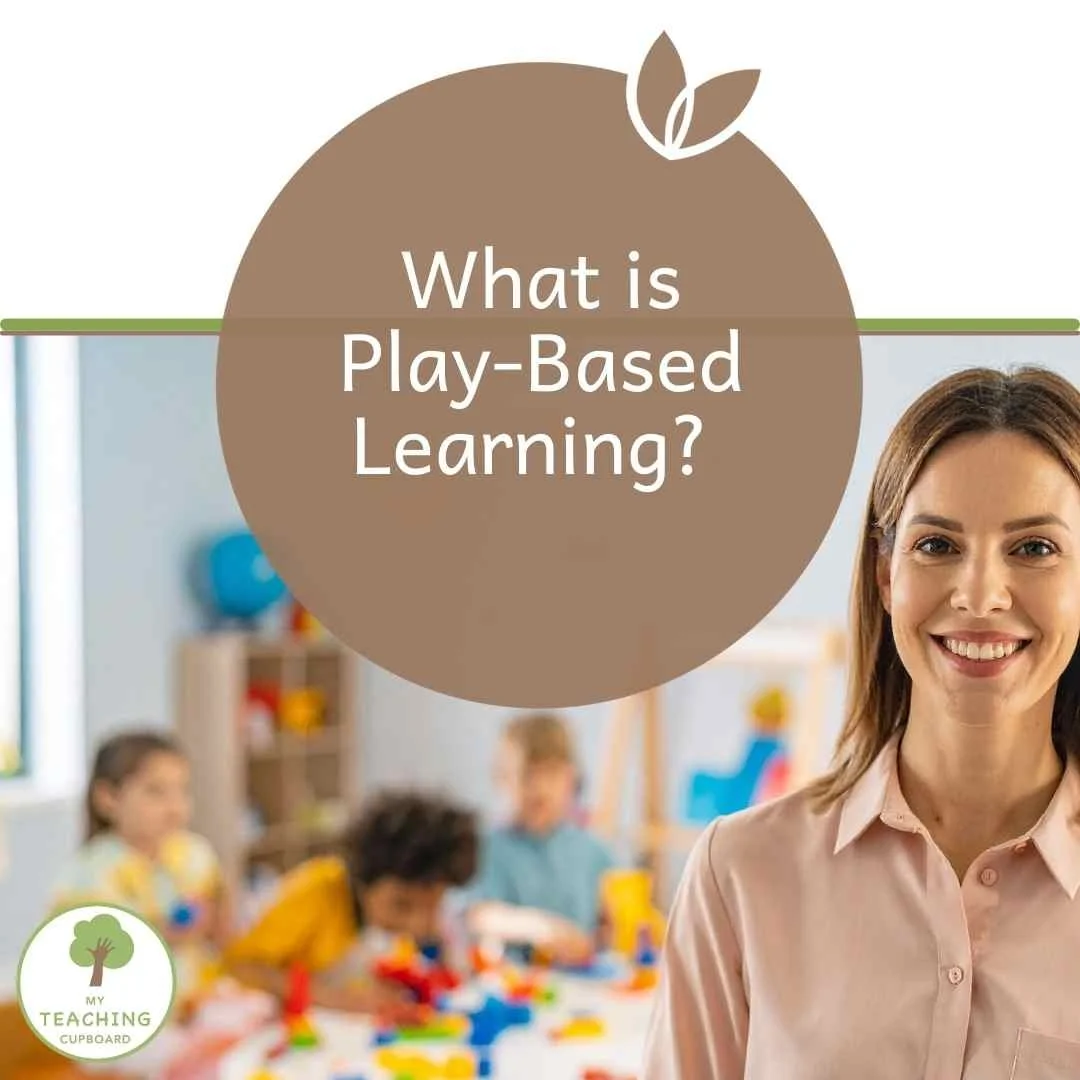
Discover what play-based learning is, why it works, and how to use it in early years classrooms. Benefits, examples, and a free teacher guide included.
Read More
Hi there!
I'm Janelle - a play-based early years teacher passionate about creating learning experiences that ignite curiosity, creativity, and academic growth.
On this blog, I share practical tips on meeting curriculum benchmarks through a balance of explicit teaching and play, setting up the ideal learning environment and fostering social-emotional development.
Let’s make play-based teaching work in your your preschool, kindergarten, and first grade classrooms!
Discover what play-based learning is, why it works, and how to use it in early years classrooms. Benefits, examples, and a free teacher guide included.
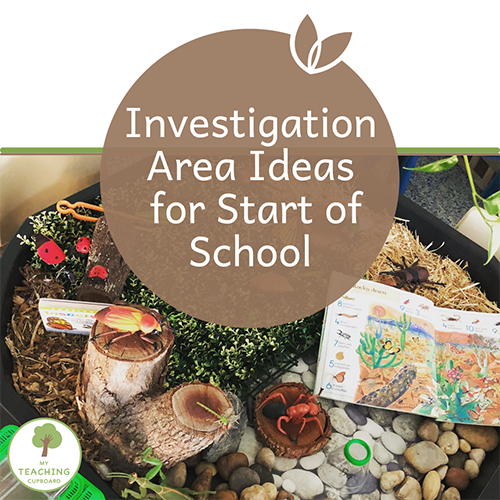
Read MoreAre you looking for some simple yet highly engaging investigation areas and learning invitations to start the school year? In this blog post, you’ll discover a heap of Investigation area ideas for the start of school. These tried and tested learning invitations are my go-to setups year after year, so you’ll be sure to find some that you can use in your classroom too.
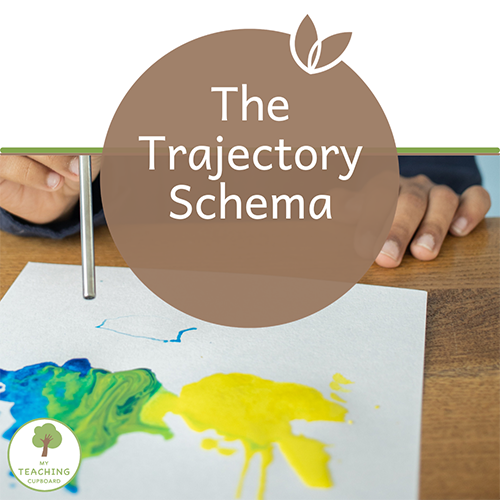
Read MoreThe trajectory schema is all about movement. If you have children in your classroom throwing things, fascinated with moving objects or force and motion, you have children developing their trajectory schema. Discover exactly what this play schema is and get heaps of playful hands-on activities you can use to support them.
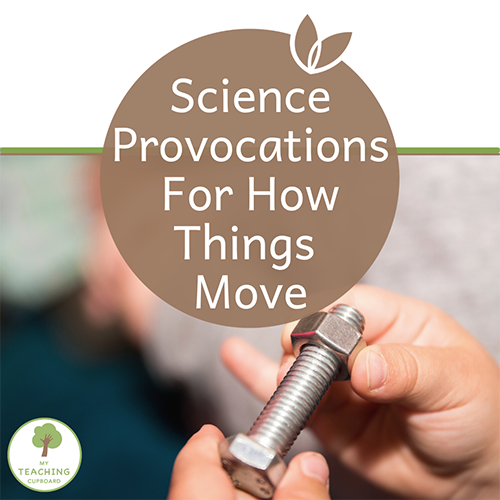
Read MoreLooking for hands-on science activities to teach the kindergarten physical sciences unit How Things Move or Force and Motion? This blog post has practical teaching tips and engaging ideas for purposeful early childhood science learning provocations. Best of all? They are all aligned to the ACARA foundation stage science curriculum learning intentions.
Read MoreIf you are familiar with the Walker Learning Approach, then you are no doubt also familiar with writing a Statement of Intent. This fortnightly planning document is vital to the success of your play-based learning program. Check out this blog post to see how we write ours.
Read MoreDiscover how to teach ACARA Maths through play-based learning in Foundation to Year 2. This blog post shares hands-on strategies, activities, and resources aligned with Version 9 of the Australian Curriculum.
Read MoreAre you wondering how to write effective and age-appropriate learning intentions for your preschool or kindergarten classroom? In this blog post you will discover some practical strategies to help you write curriculum aligned learning intentions your kindergarten and preschool children can relate to and use.
Read MoreAre you interested in how Reggio Emilia provocations could enhance the teaching and learning in your play-based classroom? Many play-based teachers are aware of the highly regarded early childhood programs from Reggio Emilia in Italy. Discover how you can design learning provocations influenced and inspired by those in Reggio classrooms.
Read MoreGrab yourself some fun Easter writing prompts and a heap of Easter writing activities and ideas in this blog post. You will be able to keep your students engaged and writing all the way up until the Easter break.
Read MoreAre you interested in setting up some engaging invitations to play using loose parts? In this blog post you will discover how to use open-ended loose parts in your learning invitations. Learn how to set up those inspiring loose parts provocations and be on your way to fostering engagement and higher order thinking skills in your classroom.
Read MoreAre you teaching the early years biology strand and looking for some engaging and educational science provocations to help your students learn about Living Things? In this blog post there are 5 engaging living things provocations to inspire you. There are also tips and ideas to help you set up your very own purposeful early childhood science learning provocations.
Read MoreTeaching science in a play based classroom is one of the easiest things you will ever do as a classroom teacher. In this blog post you will discover how play based learning and science education go hand-in-hand. I’ll share heaps of photos and ideas you can use in your classroom to teach science through play and learning provocations.
Read MoreEngage your students with fun, hands-on Christmas maths activities for kindergarten! Explore playful counting, patterning, and sensory ideas like Tree Counting, Christmas Board Games and a Christmas Counting Sensory Bin - all perfect for the end of term.
Read MoreAre you looking for some Christmas sensory play ideas to get you through to the holidays? As Christmas approaches the children get so excited and keeping them settled and on task can sometimes be difficult. Time for some sensory play. Sensory play can help your children to settle and stay on task. I am constantly amazed by the calming effects sensory activities can have on my students.
Read MoreIn this blog post you will discover what the 100 languages of children means, where the idea started, why it is an important element of a child-centered education program and how you can use the 100 languages of children in your classroom.
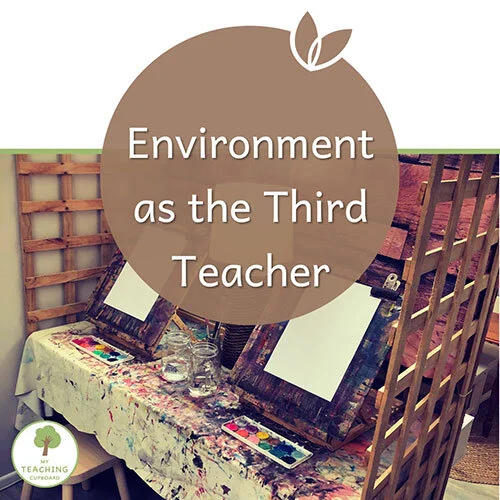
Read MoreAre you interested in transforming your learning environment into the third teacher? Read this blog post for tips and ideas on how you can get the third teacher working for you.
Read MoreJean Piaget was a Swiss psychologist in the early 1900s. Read about how his theories of cognitive development reinforce the idea that children can learn through play in your educational setting.
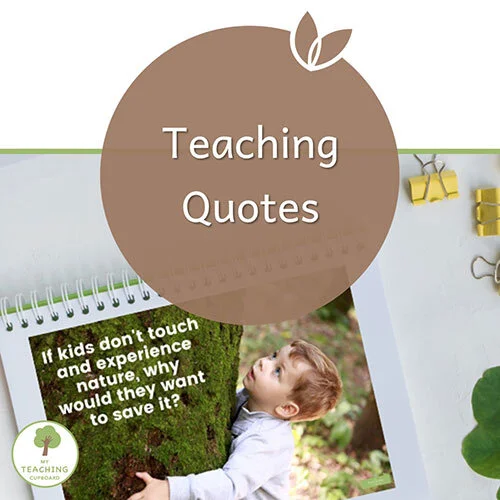
Read MoreLooking for inspirational learning through play quotes? Want some beautiful motivating sayings to display in your classroom or throughout your planning documents? Download a set to use in your classroom today.
Read More