
Welcome to My Play Based Classroom Blog
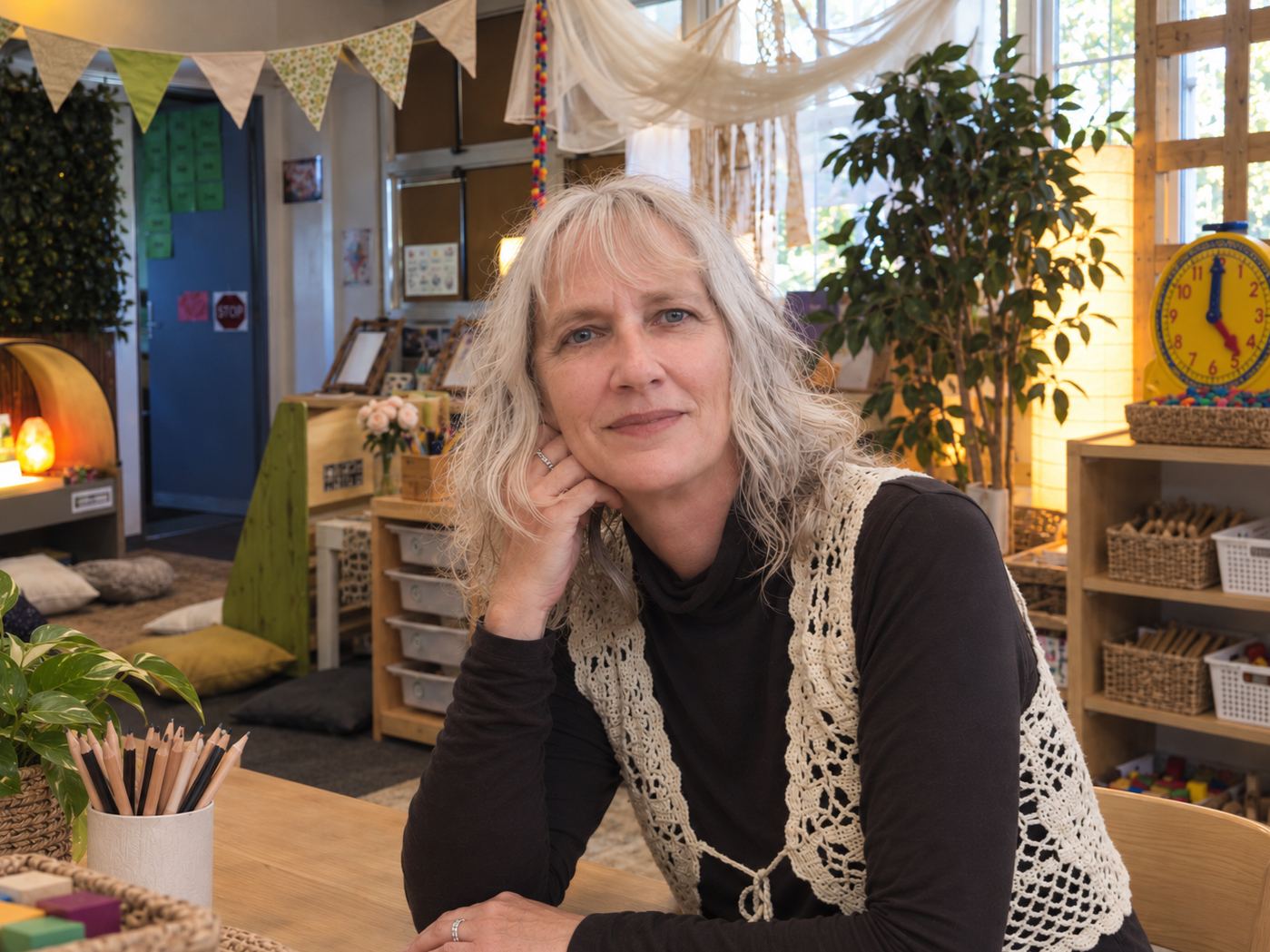
Hi there!
I'm Janelle - a play-based early years teacher who is super passionate about creating learning experiences that boost curiosity, creativity, and academic growth.
On this blog, I share practical tips for meeting curriculum benchmarks through a balance of explicit teaching and play, setting up the ideal learning environment and fostering social-emotional development.
So, let’s make play-based teaching work in your preschool, kindergarten, or first-grade classroom!

What is Inquiry Based Learning in Early Childhood?
Discover how inquiry-based learning can transform your early childhood classroom by fostering critical thinking, problem-solving, and deeper student engagement. Learn how this inquiry-based approach complements a play-based pedagogy and create a more engaging learning environment.

Science Provocations - How Things Move
Looking for hands-on science activities to teach the kindergarten physical sciences unit How Things Move or Force and Motion? This blog post has practical teaching tips and engaging ideas for purposeful early childhood science learning provocations. Best of all? They are all aligned to the ACARA foundation stage science curriculum learning intentions.

Teaching the F-2 ACARA Math Learning Intentions Through Play
Discover how to teach ACARA Maths through play-based learning in Foundation to Year 2. This blog post shares hands-on strategies, activities, and resources aligned with Version 9 of the Australian Curriculum.

The Teacher’s Role in Loose Parts Play
What is the teacher’s role in loose parts play? In this blog post you will discover which loose parts are best for your children and find out how the teacher plays a vital role in the success of loose parts play in the classroom.

Loose Parts Play: What It Is and Why It Matters
Find out what loose parts are and where the idea of loose parts play originated. Discover the benefits of loose parts play and get some easy and practical ideas for loose parts play in your classroom.

Stages of Block Play
Discover the 7 stages of block play and the influences these stages can have to the design of your learning environment. BONUS FREE Block Play Stages pdf to download and print.

What Does the 100 Languages of Children Mean?
In this blog post you will discover what the 100 languages of children means, where the idea started, why it is an important element of a child-centered education program and how you can use the 100 languages of children in your classroom.

Why Teach Science in Early Childhood
Do you feel Science is just one more thing to add on to your already crammed curriculum? Are you thinking “Why Teach Science in Early Childhood?” Find out why you need early childhood science education in your classroom and how you are probably already teaching it.

Environment as the Third Teacher
Are you interested in transforming your learning environment into the third teacher? Read this blog post for tips and ideas on how you can get the third teacher working for you.

Teaching Science in Early Childhood
Find out how to effectively teach the early childhood science curriculum in just 40min a week. The children in my class reach curriculum benchmarks easily. In fact, they learn so much more than the mandated curriculum.

What is a Learning Provocation?
Discover what a learning provocation is and how to use it in your play-based classroom. Learn the difference between a learning invitation and a learning provocation, with real examples, tips, and strategies to spark curiosity and support curriculum goals.

Classroom Photographer Child
A classroom photographer child is an important role from the Walker Learning Approach. Discover how having a child as a photographer can enhance learning, engagement, and documentation.

Open-ended Questions Promote Higher Order Thinking
Find out how open-ended questions for kids can foster higher order thinking. Discover practical tips, sample questions, and how to use these powerful tools to boost critical thinking and student confidence in your classroom.


