
Loose Parts Play Ideas for Early Childhood Learning
Discover loose parts play ideas for early childhood classrooms including art, maths, literacy, science, sensory play, construction and outdoor play using open-ended materials.
Loose parts play is one of the most powerful ways to support learning in our early childhood classrooms. With a simple collection of open-ended materials, children can create, build, sort, design, imagine and explore in countless ways. Loose parts encourage creativity, problem-solving skills, language development and imaginative play, all while allowing children to work at their own developmental level.
One of the best things about loose parts is that there is no right or wrong way to use them. A cardboard tube might become a telescope, a magic wand, a tunnel for a small world setup or part of a construction. Simple materials like wooden blocks, pine cones, bottle caps and fabric scraps can turn into anything a child imagines.
If you are new to loose parts, you might like to start by reading this blog post on The Benefits of Loose Parts Play, where I explain why open-ended materials are so important in early childhood education.
You can also download my FREE Loose Parts Guide to help you get started.
In this blog post, I’m going to share loose parts play ideas across different learning areas including art, maths, literacy, science, sensory play, construction, dramatic play and outdoor play. These ideas are simple to set up and work well in early years classrooms, preschool, kindergarten and early primary settings.
What Are Loose Parts?
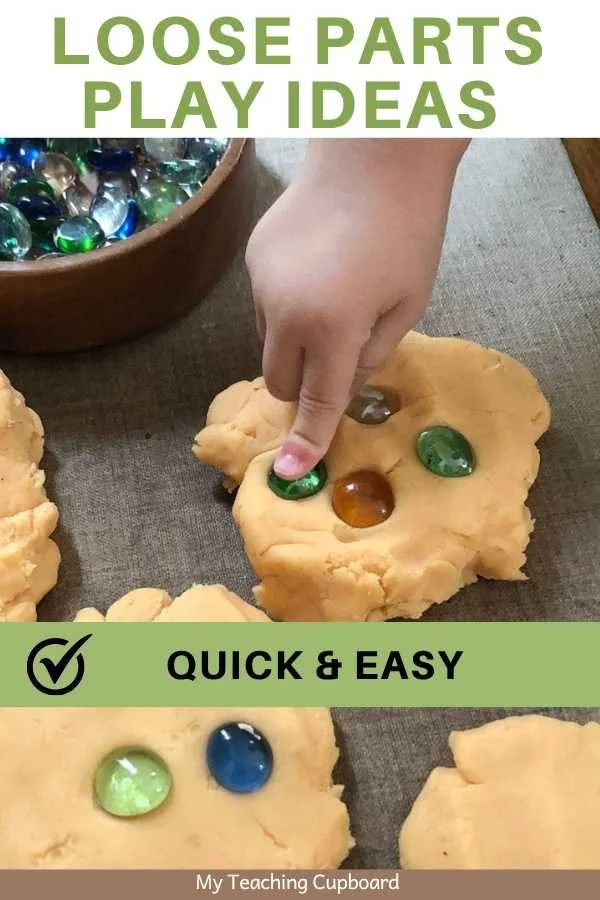
Loose parts are open-ended materials that children can move, combine, redesign, line up, take apart and put back together in many different ways.
Unlike toys that have only one purpose, loose parts can be used in endless ways depending on a child’s ideas, imagination and stage of development. The open-ended nature of loose parts makes them a powerful resource for play-based learning and investigative play experiences in early childhood classrooms.
Loose parts can include both natural materials and man-made materials. Natural materials might include pine cones, sticks, shells, stones, leaves and seed pods, while man-made materials might include cardboard tubes, bottle caps, fabric scraps, buttons, wooden blocks and small containers. Many teachers collect loose parts from recycling bins, thrift stores, dollar stores, hardware stores or simply from the natural environment.
The idea of loose parts comes from architect Simon Nicholson, who developed the Theory of Loose Parts Play. Nicholson believed that the richness of an environment depends on the number of variables it contains, and loose parts provide children with opportunities to experiment, design, build and create in their own unique ways. In simple terms, the more open-ended materials children have access to, the more creative and complex their play becomes.
In early childhood classrooms, loose parts are often organised into loose parts collections and stored in baskets, trays or containers so children have easy access to them.
Teachers might set up tinker trays, light table provocations, sensory bins or even a dedicated loose parts centre where children can explore different materials and create their own learning experiences.
These types of setups encourage children’s creativity, problem-solving skills, fine motor development and imaginative play all while allowing them to work at their own level.
If you would like a list of materials you can use in your classroom, head over to this comprehensive blog post: Loose Parts Resources.
In this blog post you will find a loose parts list of over 150 loose parts materials you can download and use to set up age appropriate investigation areas and learning invitations in your early years setting.

If you are new to the whole concept of loose parts and want to learn more about the theory and benefits, I think you may also like to read this blog post: Loose Parts Play: What It Is and Why It Matters
Loose Parts Art Ideas (Transient Art)
One of the most beautiful and engaging ways to use loose parts in early childhood classrooms is through transient art. Transient art is art that is not permanent. Children create pictures, patterns or designs using loose parts, and then the materials are packed away and used again in new ways.
This process focuses on creative expression, imagination and experimentation, rather than producing a finished product.
Loose parts art is a wonderful way for children to explore colour, pattern, design and storytelling while also developing fine motor skills as they carefully place and arrange small objects. Because loose parts are open-ended materials, every child’s artwork will be different and there is no right or wrong way to create.
Nature Transient Art
Nature transient art is one of the easiest ways to start using loose parts for art. You can provide natural materials such as leaves, pine cones, sticks, stones, shells, feathers and seed pods and invite children to create pictures, patterns or mandalas.
Children might create:
Patterns and repeating designs
Pictures of animals or people
Mandalas or circular designs
Landscapes like gardens, oceans or forests
You can place the materials in small bowls or divided trays so children can easily see and choose from the loose parts collections. Adding a mat, mirror, picture frames or wooden boards can also help define the workspace and make the invitation more engaging.
Loose Parts Faces and Portraits
Another simple and engaging loose parts art idea is creating faces and portraits. Children can use loose parts such as buttons, pom poms, fabric scraps, corks, beads, stones and pipe cleaners to create faces showing different emotions and expressions.
This activity is fantastic for:
Creative expression
Fine motor skills
Social and emotional learning
Language development
Imaginative play
Children love creating happy faces, sad faces, silly faces and surprised faces, and this often leads to rich conversations about emotions and feelings. It is also a great activity for All About Me units, calm-down areas, or social-emotional learning lessons.
If you want an easy way to set this up, use my blank loose parts face mats designed specifically for loose parts or playdough. These mats give children a simple face outline so they can focus on creating expressions using loose parts like googly eyes, yarn, buttons or playdough.
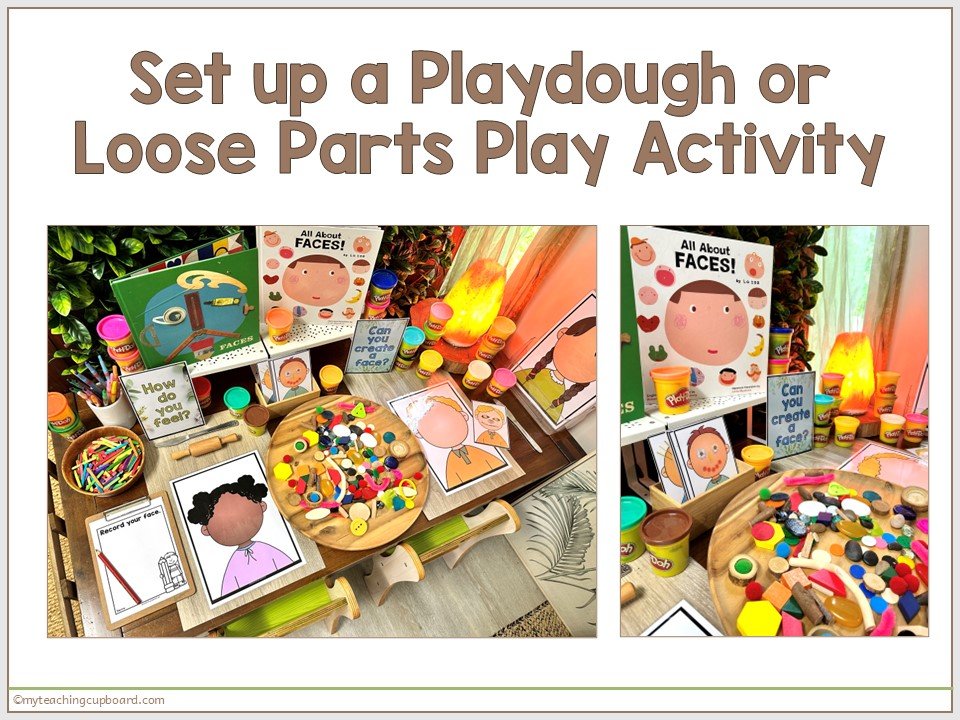
It turns a simple loose parts activity into a meaningful learning experience where children explore emotions, facial expressions and their sense of self while developing fine motor skills and creativity.
These types of loose parts portrait activities are a great example of how open-ended materials can be used for both art and social-emotional learning, while still being hands-on and engaging for young children.
Light Table Loose Parts Art
If you have access to a light table, loose parts art becomes even more engaging. Transparent or translucent loose parts such as coloured gems, plastic shapes, glass stones, cellophane, feathers and acrylic shapes look beautiful on a light table.
Children can:
Create patterns and designs
Explore colour mixing
Make pictures and stories
Experiment with shapes and symmetry
Light tables encourage children to slow down and carefully place materials, which helps develop fine motor skills, spatial awareness and concentration while allowing for open-ended creative exploration.
Transient art using loose parts is a simple and effective way to encourage creativity, imagination and open-ended learning in early childhood classrooms.

Loose Parts Maths Ideas
Loose parts are a fantastic way to teach many math skills and concepts in a hands-on, meaningful way. Using open-ended materials for maths allows children to explore numbers, patterns, measurement and spatial concepts through play rather than worksheets.
Loose parts maths activities support problem-solving skills, critical thinking, fine motor development and spatial awareness, all while keeping children engaged and motivated.
Here are a few simple loose parts maths ideas to get you started.
Counting and Number Collections
One of the simplest loose parts maths activities is counting collections. Provide children with small loose parts such as stones, buttons, bottle caps, shells or wooden blocks and they will naturally count, sort and group the objects.
You can extend this activity by:
Matching loose parts to number cards
Making number collections
Creating groups of more and less
Ordering numbers
Subitising small collections
Creating number patterns
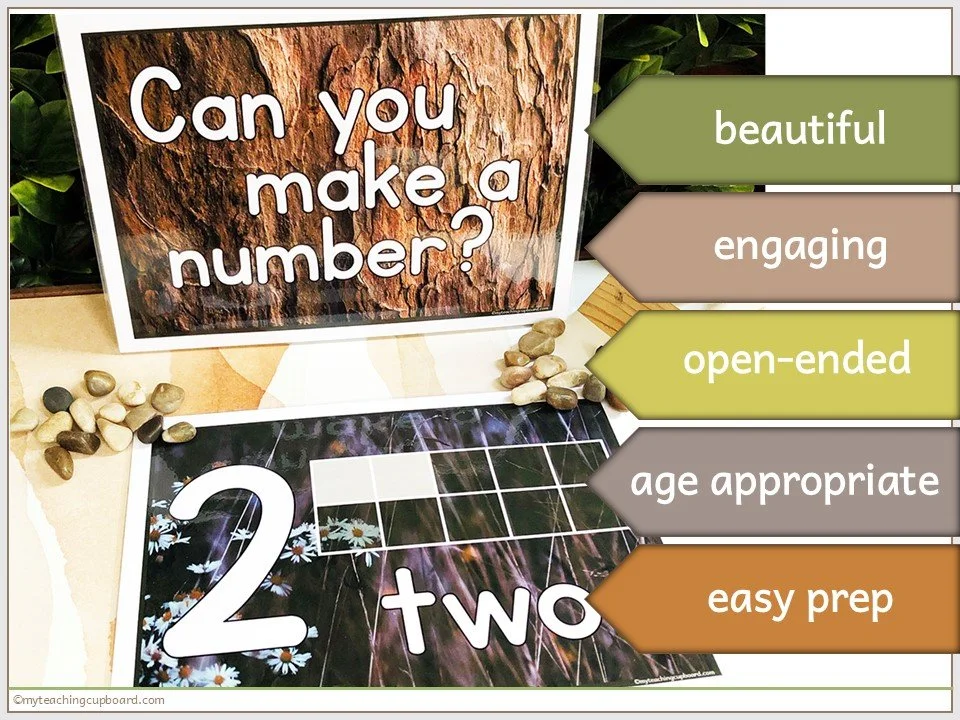
If you want an easy way to set this up, I often use my Loose Parts Number Mats. These mats include numerals, number words and ten frames, so children can represent numbers using loose parts like stones, counters or playdough while developing number sense, fine motor skills and mathematical language at the same time.
Sorting and Pattern Making
Loose parts are perfect for sorting and pattern making activities. Children can sort materials by colour, size, shape, texture or type of material. They can also create repeating patterns using different loose parts.
For example, children might create patterns using:
Pine cones and stones
Buttons and beads
Bottle caps and shells
Pom poms and wooden blocks
Pattern making helps develop early algebra skills, logical thinking and problem solving. Sorting activities also help children develop classification skills and mathematical thinking.
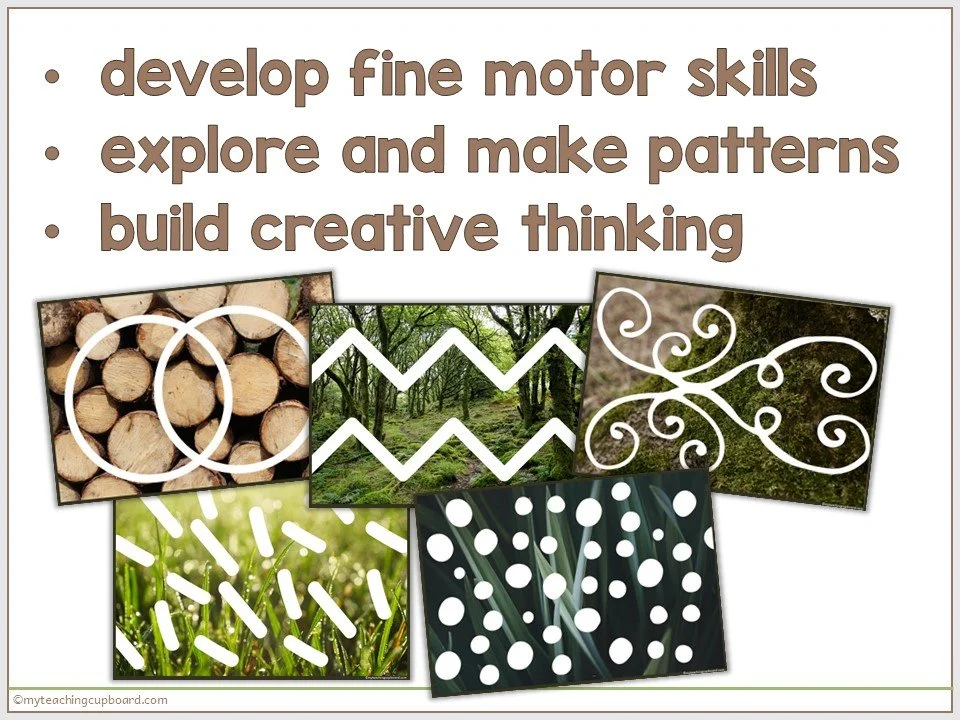
For pattern activities, I like to use my Loose Parts Pattern Mats as a base for children to create and continue patterns. The mats provide a starting point, but because the loose parts are open-ended, children can still explore patterns in many different ways while developing fine motor skills and creative thinking.
Measuring and Comparing with Loose Parts
Loose parts can also be used for measurement and comparison activities. Children can use loose parts to measure the length of objects, compare heights of towers, or explore concepts such as heavier and lighter.
Some simple measuring ideas include:
Measure how many stones long a book is
Build towers and compare which is taller
Fill containers with loose parts and compare which holds more
Weigh different loose parts using balance scales
Create shapes and talk about position and location
These types of activities help children develop early measurement skills and spatial awareness in a hands-on and meaningful way.
Loose parts maths activities are a great way to make maths engaging, hands-on and developmentally appropriate for young children. Children often don’t even realise they are doing maths because they are so engaged in their play and investigations.
If you would like even more loose parts maths activities, check out this blog post: 23 Loose Parts Ideas for Early Childhood Math.

Loose Parts Literacy Ideas
Loose parts are not just for maths and construction. They are also a wonderful tool for developing literacy skills, language development and storytelling. Because loose parts are so open-ended, children can use them to form letters, create stories, build small world scenes and explore symbols through hands-on experiences. This type of play-based literacy really helps children learn in a meaningful and highly engaging way.
Here are a few simple loose parts literacy ideas you can try.
Letter Formation with Loose Parts
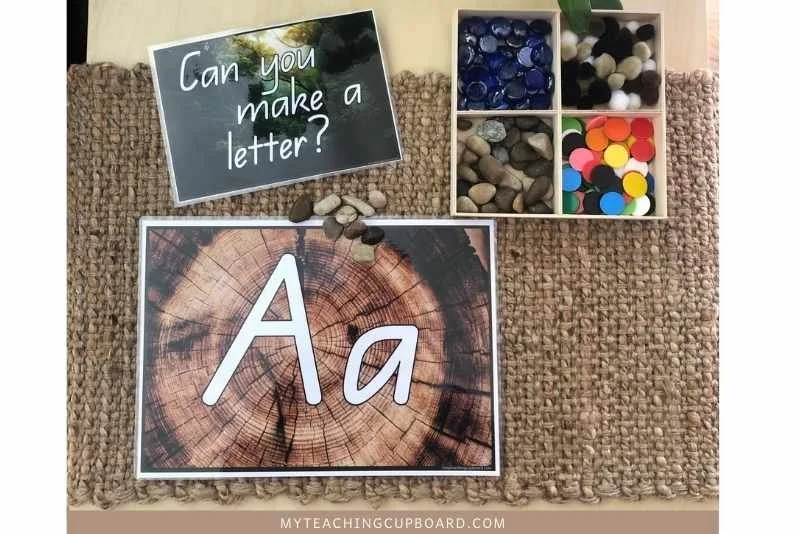
Loose parts are perfect for letter formation activities. Children can use small loose parts such as stones, buttons, beads, pom poms or playdough to form letters of the alphabet. This helps children learn letter shapes while also developing fine motor skills and hand-eye coordination.
This activity is particularly helpful for children who struggle with pencil control because it allows them to learn letter formation in a sensory, hands-on way before writing letters on paper.
If you want an easy way to set this up, I often use my Loose Parts Alphabet Mats. Children place loose parts on top of the letter shapes to build each letter, which helps with letter recognition, letter formation and phonics.
These mats work really well in literacy centres, small group rotations, morning tubs or investigation areas as they keep children engaged and focused.
Storytelling and Small World Play
Loose parts are also fantastic for storytelling and small world play. Children can use loose parts to create characters, settings and story scenes. For example, stones might become animals, sticks might become bridges, and fabric scraps might become rivers or roads.
You can encourage storytelling by:
Reading a story and inviting children to recreate the story using loose parts
Providing picture prompts for children to build a story scene
Asking children to tell a story about what they have built
Encouraging dramatic play with loose parts characters and environments
This type of play supports oral language, communication skills, imagination and narrative development.

Loose Parts Picture and Word Building
Another literacy idea is using loose parts to build pictures and then label them with letters or simple words. For example, children might create a house, a tree or an animal using loose parts and then build the beginning letter or word using loose parts beside their picture.
You can also:
Build CVC words using loose parts
Match loose parts letters to picture cards
Create name cards and build children’s names with loose parts
A very simple way to embed literacy into loose parts play is to write letters on loose parts using a permanent marker. You can write letters on bottle caps, wooden discs, stones, or blocks. Children can then use these letter loose parts to build words, sort letters, match uppercase and lowercase letters, or hunt for letters around the classroom. This is an easy way to turn your loose parts collection into a literacy resource without needing to prepare lots of extra materials.
These types of activities help children connect letters, sounds and meaning in a hands-on and engaging way.
Loose parts literacy activities are a great way to combine play-based learning with early reading and writing skills while still keeping learning developmentally appropriate and engaging for young children.
Loose Parts Science Ideas
Loose parts are a wonderful resource for teaching science in early childhood because they naturally encourage investigation, experimentation, problem solving and critical thinking. When children explore loose parts, they are already behaving like scientists – they naturally test ideas, observe what happens, compare materials and make predictions.
Science learning in the early years should be hands-on and based on investigative play experiences, and loose parts are perfect for this type of learning.
Here are a few simple loose parts science ideas you can try in your classroom.
Building and Engineering Challenges
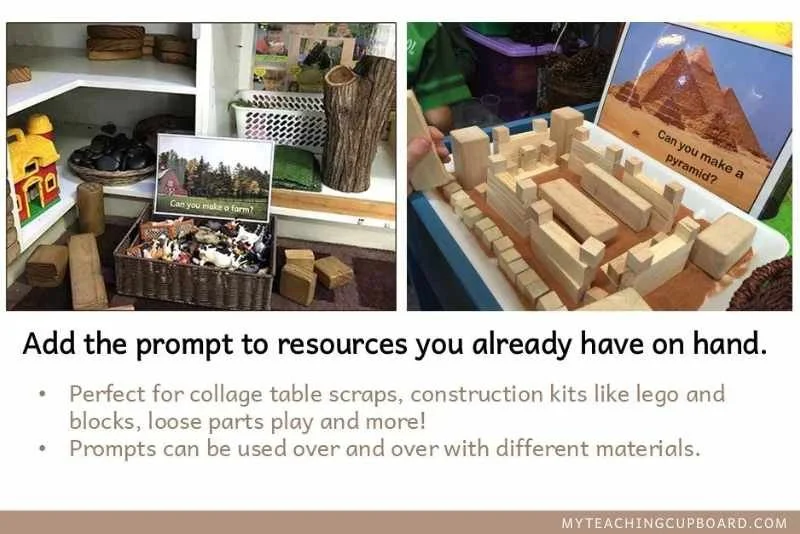
Loose parts are perfect for simple engineering and STEM challenges. Children can use materials like cardboard boxes, wooden blocks, cardboard tubes, paddle pop sticks, fabric scraps and small loose parts to build structures, bridges, towers or machines.
You might challenge children to:
Build a bridge that can hold stones
Build the tallest tower
Build a house for a toy animal
Build a boat that floats
Build something that moves
If you want ready-made challenges, I have some STEM Provocation Cards you can use. They give children open-ended engineering and building challenges using materials you already have in your classroom. These types of challenges encourage problem solving, teamwork, design thinking and creativity while still fitting perfectly into a play-based classroom.
Sink and Float Investigations
Loose parts are perfect for water investigations. You can set up a water table or tub and provide a range of loose parts made from different materials such as wood, metal, plastic, fabric, cork and natural materials.
Children can:
Predict whether objects will sink or float
Sort loose parts into sink and float groups
Test their predictions
Talk about why some objects float and others sink
Design boats using loose parts
This is a simple science activity that introduces scientific thinking, prediction and observation skills.
Sorting and Classifying Loose Parts
Sorting and classifying is an important early science skill. Children can sort loose parts by:
Material (wood, metal, plastic, fabric, natural materials)
Size
Shape
Colour
Texture
Natural vs man-made
Sorting activities help children develop classification skills, observation skills and scientific thinking. You can also connect this to science topics such as animals, habitats, materials or living and non-living things.
I love loose parts science activities. They are a wonderful way to introduce STEM concepts in a hands-on and meaningful way. Nothing quite beats play-based learning for young children.

Loose Parts Small World Play Ideas
Small world play is one of the most engaging ways to use loose parts in your early childhood classroom. Small world play is when children create miniature worlds, scenes or environments using loose parts and small objects.
These worlds might include farms, oceans, forests, towns, construction sites or fantasy worlds. Small world play encourages imaginative play, storytelling, language development and social interaction. I have observed that my children often stay engaged in this type of play for long periods of time.
Loose parts are perfect for small world play because they can become anything. Stones might become animals, sticks might become bridges, fabric might become rivers and cardboard boxes can become houses or caves. The open-ended nature of loose parts allows children to create their own worlds in their own unique ways.
Nature Small World Play
Natural loose parts work beautifully for small world play. You might provide:
Pine cones
Sticks and branches
Stones and pebbles
Leaves and bark
Sand or soil
Shells
Wooden blocks
Children can use these materials to create forests, animal habitats, fairy gardens or outdoor scenes. Adding small animal figures or people figures can help extend storytelling and dramatic play.
Storytelling Small World Play
Small world play is a fantastic way to support oral language and storytelling skills. You can encourage storytelling by:
Reading a story and inviting children to recreate the story scene
Providing picture prompts
Asking children to tell a story about what they have built
Encouraging children to work together to create a story world
You will often hear rich conversations, storytelling and role play happening naturally during small world play.

Small World Play Trays
One of the easiest ways to set up small world play is to use trays, shallow tubs or sensory trays. Add a base such as sand, rice, fabric, grass mats or paper and then provide a selection of loose parts.
Some simple small world tray ideas include:
Ocean tray with shells, blue fabric and stones
Farm tray with sticks, bark, hay and animal figures
Construction tray with blocks, cardboard tubes and small vehicles
Fairy garden tray with moss, stones and flowers
Dinosaur world with sand, rocks and plants
These types of setups are often called learning invitations because they invite children to explore, create and tell stories using loose parts and small objects.

Small world play with loose parts supports language development, social skills, imaginative play, problem solving and creative thinking, making it a really important part of any play-based learning environment.
Loose Parts Sensory Play Ideas
Sensory play and loose parts play work beautifully together. In fact, many educators consider playdough, sand, rice, water and other sensory materials to be loose parts themselves because they are open-ended materials that children can manipulate, shape, pour, scoop, mix and explore in many different ways.
Sometimes a simple sensory tray with a variety of loose parts added is all you need to set up a highly engaging loose parts learning invitation. You might add stones, shells, buttons, wooden blocks, corks, fabric scraps, cardboard tubes or small containers to a tray of sand, rice or water and then simply step back and watch the learning unfold.
These types of setups often lead to:
Sorting and classifying
Counting and measuring
Filling and pouring
Small world play and storytelling
Problem solving and experimenting
Social interaction and collaboration
Sensory loose parts play supports fine motor skills, language development, problem-solving skills, imaginative play and cognitive development, all through hands-on exploration.
Sensory Bins with Loose Parts
A sensory bin is one of the easiest ways to introduce loose parts play into your classroom. You can use base materials such as:
Rice
Coloured rice
Sand
Kinetic sand
Water
Pasta
Beans
Oats
Playdough
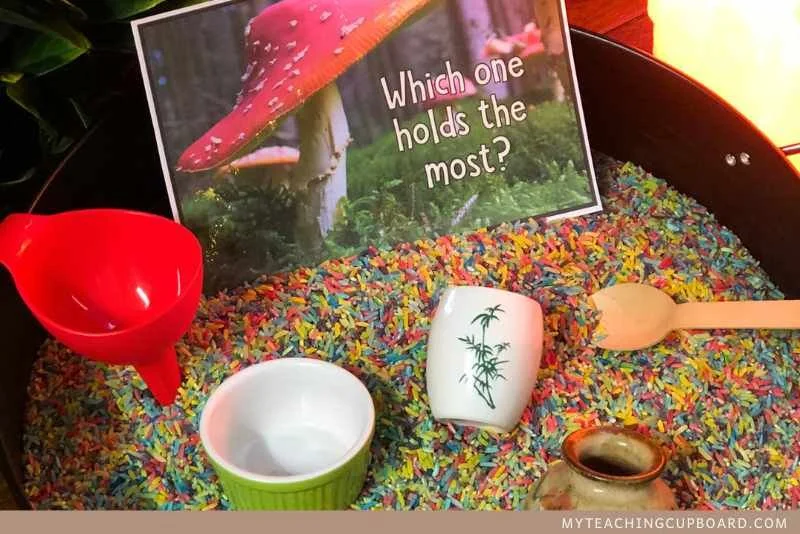
Then simply add a variety of traditional loose parts such as scoops, cups, funnels, shells, stones, buttons, bottle caps, small containers, spoons and cardboard tubes.
Children will naturally:
Scoop and pour
Fill and empty containers
Sort objects
Bury and find objects
Create small world scenes
Measure and compare amounts
These activities develop fine motor skills, hand-eye coordination and early maths and science concepts.
Play dough and Loose Parts
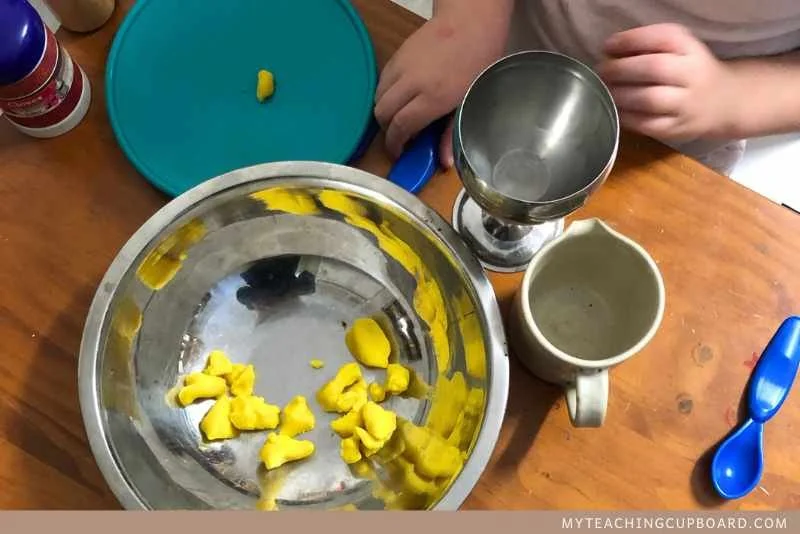
Playdough is often considered a loose part because it is completely open-ended. Children can roll it, flatten it, cut it, shape it and add loose parts to it. A great idea is to combine playdough with other loose parts like sticks, beads, buttons, feathers and stones. Children will naturally create creatures, patterns, letters, numbers and imaginative worlds.
Playdough combined with other loose parts are excellent for:
Fine motor development
Creativity and imaginative play
Letter and number formation
Pattern making
Small world play
Storytelling
Observing Children During Sensory Loose Parts Play
One of the most valuable parts of loose parts sensory play is observation. When children are freely exploring loose parts in sensory trays, you can learn a lot about their developmental levels and their understanding of concepts just by watching what they do.
You might observe:
Counting and sorting
Pattern making
Measuring and comparing
Storytelling and imaginative play
Problem solving
Social interaction
Language development
If you want to learn more about setting up loose parts areas and purposefully observing children during their loose parts play, you will find this blog post helpful: The Perfect Loose Parts Play Setup for Early Childhood Classrooms.
To help you make informed and purposeful observations, download my Free Observation Checklist to help you document children’s learning during loose parts play.

Sometimes the simplest setups — a tray of sand and a basket of loose parts — lead to the richest learning experiences.
Loose Parts Construction Ideas
Construction is one of the most natural and engaging ways to use loose parts. When children build with loose parts, they are developing problem-solving skills, spatial awareness, creativity, engineering thinking and collaboration skills all at the same time. Construction with loose parts is much more than just building towers though. You’ll see children designing, testing, redesigning and solving problems as they build.
Loose parts construction can include materials such as:
Wooden blocks
Cardboard boxes
Cardboard tubes and paper towel rolls
Paddle pop sticks
Fabric scraps
Stones and shells
Bottle caps
Corks
Wooden boards
Small containers
Recycled materials
Because these are open-ended materials, children can build in countless ways and create structures based on their own ideas and interests.
Building Structures and Towers
One of the simplest construction activities is building towers, houses, bridges or enclosures using loose parts like wooden building blocks. Children quickly learn about:
Balance
Stability
Height and width
Weight and support
Trial and error
Problem solving
You will often see children testing ideas, redesigning structures when they fall down, and working together to build more complex constructions over time.

Construction Challenges and Design Thinking
You can extend loose parts construction by giving children simple building challenges such as:
Build a bridge for a toy car
Build a house for an animal
Build the tallest tower you can
Build something that can hold a book
Build a ramp for a ball
Build a boat that floats
These types of challenges are a perfect addition to a tinker tray and encourage critical thinking, engineering skills and creative problem solving. A tinker tray is simply a tray or container filled with a variety of loose parts and construction materials such as cardboard pieces, bottle caps, paddle pop sticks, fabric scraps, tubes, connectors and small tools that children can use to design and build their own creations.
If you want some ready-made open-ended questions and construction challenges, already linked to the curriculum, check out my Block Play Building Prompts. Just print and display them in your construction area.
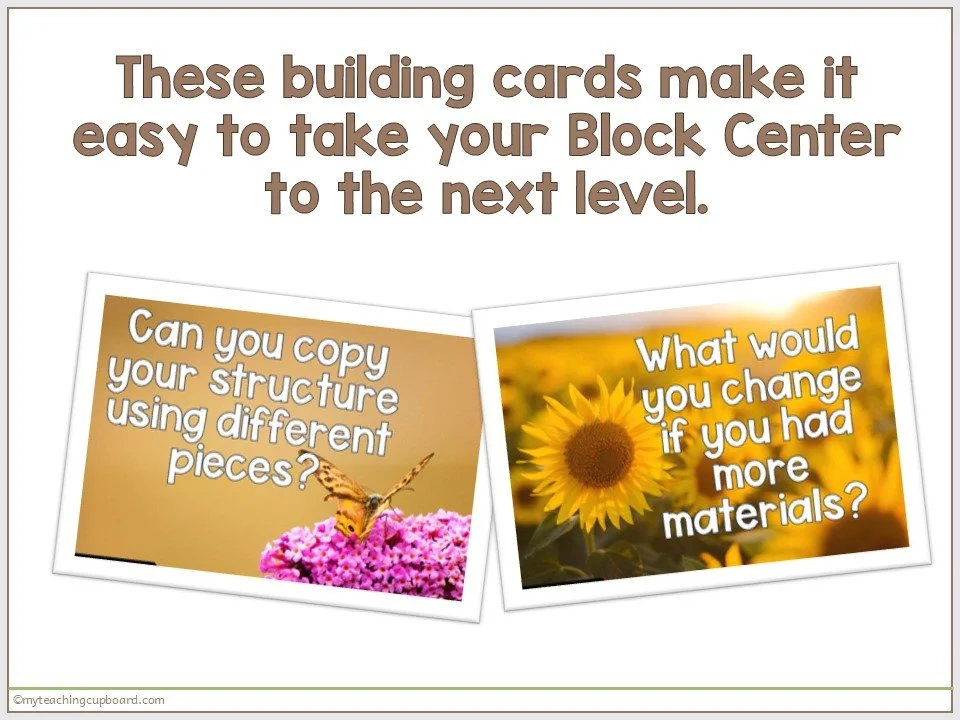
These open-ended prompts encourage children to test ideas, solve problems and think more deeply about their building and design. They are a simple way to add more purposeful learning to block play and loose parts construction without needing to plan new activities every week.
Makerspace and Box Construction Areas
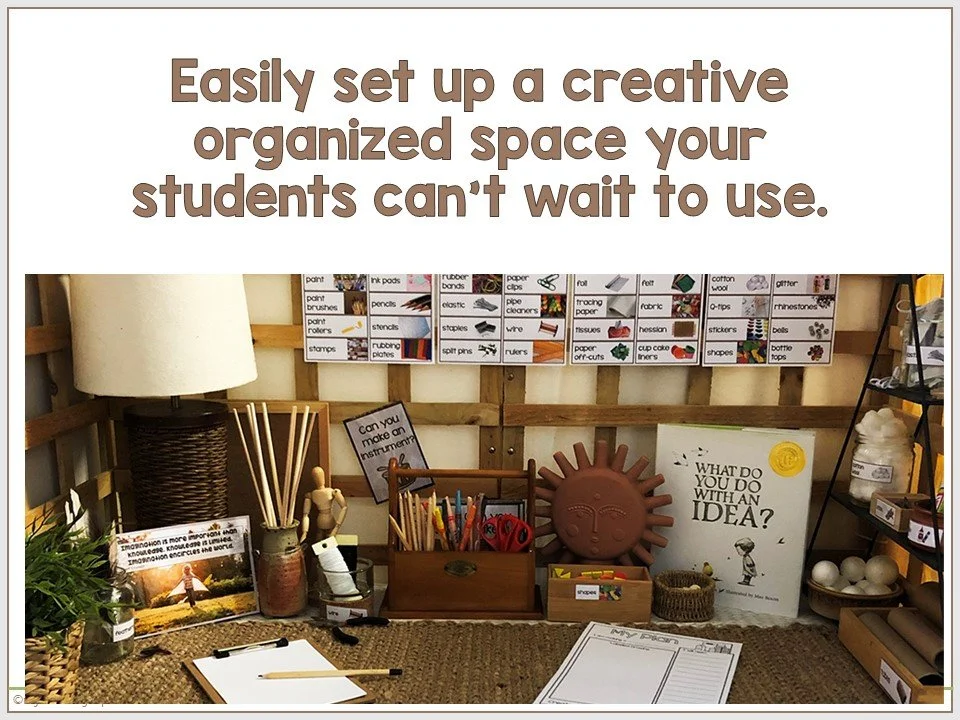
Loose parts construction can also be extended into a Makerspace or box construction area where children use recycled materials like boxes, cardboard, tubes, fabric, lids and containers to create three-dimensional projects.
A classroom makerspace allows children to:
Design and build their own creations
Combine different materials
Test and redesign their ideas
Work collaboratively
Develop creativity and problem-solving skills
Engage in STEM learning through play
If you are setting up a makerspace or box construction area, my Classroom Makerspace Display Pack can help you organise the area, label the materials, add relevant building prompts and create a purposeful construction space where children can plan, design and build their own projects.
Loose Parts Construction Areas
Loose parts construction does not have to be limited to the block area. You can set up construction invitations using trays, mats, floor spaces or outdoor areas. Adding a variety of loose parts such as cardboard boxes, wooden boards, tubes and fabric can turn a simple construction area into a rich learning environment.
Construction with loose parts supports:
Problem solving
Spatial awareness
Mathematical thinking
Engineering skills
Collaboration
Language development
Creativity and imaginative play
Loose parts construction easily combines STEM learning, play-based learning and hands-on exploration – an essential in any quality early years classroom.
Loose Parts Dramatic Play Ideas
Loose parts are a wonderful addition to dramatic play because they can become anything a child imagines. When children use loose parts in dramatic play, they are developing imaginative play skills, language development, social skills, communication skills and storytelling abilities.
Loose parts allow children to create props, environments and storylines imaginatively rather than relying on single-purpose toys.
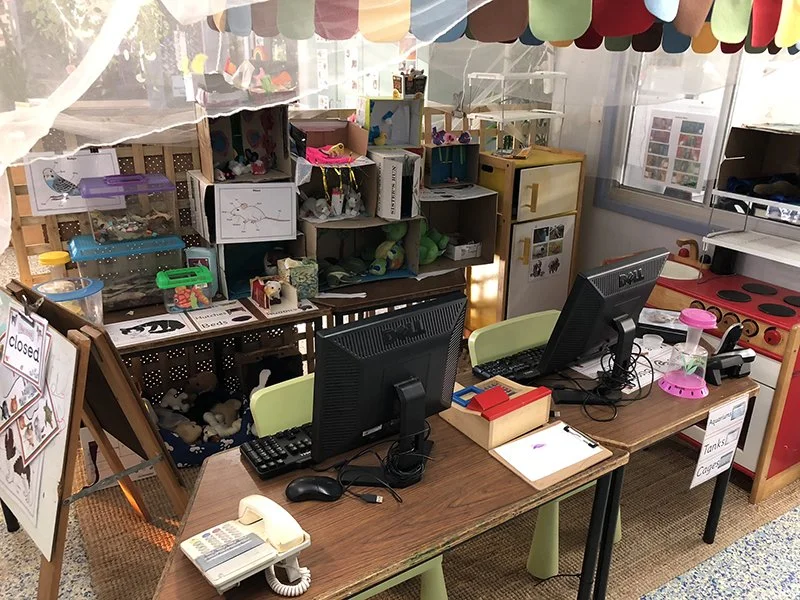
Because loose parts are open-ended materials, a stick can become a magic wand, a spoon, a microphone or a fishing rod. Fabric can become a cape, a river, a blanket or a costume. Small containers can become cooking pots, treasure chests or shop items. This flexibility makes loose parts perfect for dramatic play areas.
Loose Parts in Home Corner or Pretend Play Areas
Loose parts can easily be added to your home corner or dramatic play area to extend your children’s play and creativity. You might add:
Bottle caps as coins or food
Fabric scraps as blankets, clothes or tablecloths
Cardboard boxes as ovens, cars, boats or shops
Containers and jars for cooking or shop play
Wooden blocks as phones, cameras or food
Stones or buttons as pretend food or money
These loose parts encourage children to invent their own ideas and storylines rather than copying how a toy is supposed to be used.
Loose Parts for Role Play and Storytelling
Loose parts can also be used to support role play and storytelling. Children might use loose parts to:
Create a shop or market
Build a restaurant or café
Create a hospital or vet
Build a pirate ship
Create a fairy garden or fantasy world
Act out familiar stories
You will often hear rich conversations and storytelling during dramatic play with loose parts. Children negotiate roles, plan their play, solve problems and work together, which helps develop communication skills, social skills and emotional development.
Making Props from Loose Parts
Loose parts are perfect for making dramatic play props. Children can make:
Magic wands from sticks and ribbon
Crowns from cardboard and loose parts
Maps from paper and stones
Treasure from beads and buttons
Tickets and money from cardboard
Signs for shops or restaurants
This type of play encourages creative thinking, problem solving and imaginative play while also developing fine motor skills.

Loose parts dramatic play allows children to create their own worlds, stories and roles, making it a very rich and important type of play in your early childhood classroom.
Loose Parts Outdoor Play Ideas
Loose parts are especially powerful in outdoor play environments because children have more space, more freedom and access to larger materials. Outdoor loose parts play encourages physical development, problem solving, creativity, collaboration and imaginative play, and it often leads to more complex and sustained play than indoor activities.
Outdoor loose parts are often larger items which allow children to build, transport, construct and create on a bigger scale. This type of play supports gross motor skills, spatial awareness and physical activity, as well as social interaction and teamwork.
Outdoor loose parts might include:
Logs and tree stumps
Planks of wood
Tyres
Crates
Buckets and tubs
Pipes and guttering
Cardboard boxes
Fabric and tarps
Sticks and branches
Stones and rocks
Sand and water materials
These materials allow children to build cubbies, obstacle courses, ramps, bridges and imaginative play spaces - so much fun!!
Mud Kitchen Loose Parts Play
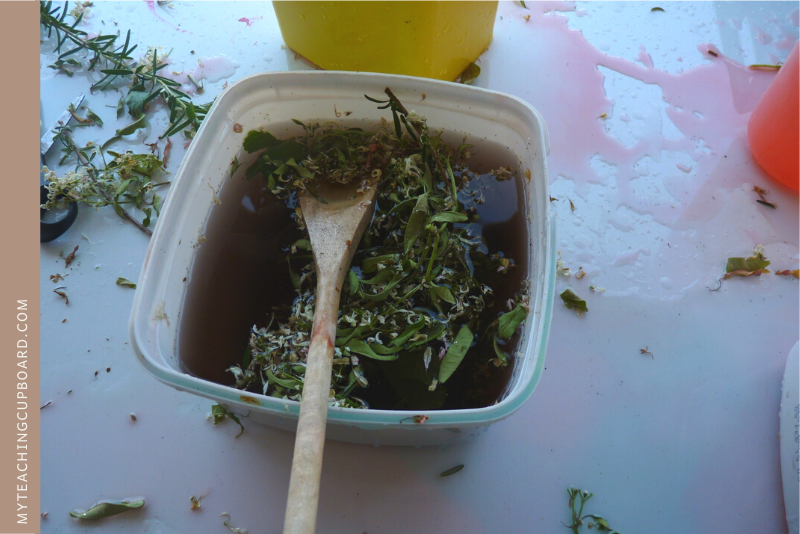
A mud kitchen is one of the best places to use loose parts outdoors. Mud kitchens encourage dramatic play, sensory play, science exploration and imaginative play all at the same time.
You can add loose parts such as:
Old pots and pans
Wooden spoons and utensils
Bowls and containers
Pine cones and leaves
Stones and sticks
Flower petals
Seed pods
Bottle caps and lids
Children will mix, pour, scoop, measure, stir and create pretend recipes. Mud kitchens support sensory play, imaginative play, social skills, language development and fine motor skills, while also encouraging children to explore the natural world.
Sand and Water Play with Loose Parts
Sand and water areas are perfect places to add loose parts. Simply adding a few containers, pipes, funnels, scoops, stones and shells can turn a sandpit or water tray into a rich learning environment.
Children might:
Build rivers and dams
Create roads and landscapes
Fill and pour containers
Transport water or sand
Create small world environments
Experiment with flow and movement
This type of play supports early science and maths concepts such as measurement, capacity, flow, cause and effect and problem solving.
Building and Construction Outdoors
Outdoor spaces are ideal for large-scale construction using loose parts like crates, planks, tyres and boxes. Children might build:
Cubby houses
Obstacle courses
Bridges and ramps
Shops or cafés
Boats or vehicles
Animal enclosures
Large loose parts construction encourages teamwork, communication and problem solving because many of these projects require children to work together.
Nature Loose Parts Play
Outdoor environments also provide access to natural loose parts such as sticks, leaves, bark, seed pods, pine cones, stones and flowers. Children can use these natural materials for small world play, transient art, construction, sorting, counting and imaginative play.
Encouraging children to collect natural loose parts from the playground or outdoor areas can also help build a sense of ownership and responsibility for the classroom environment.
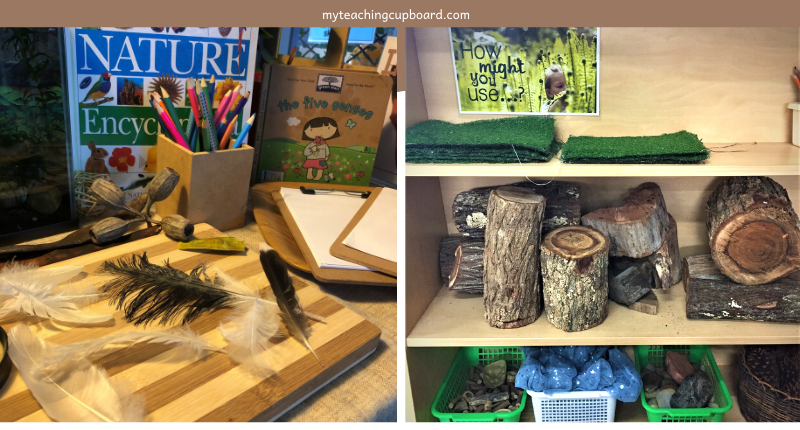
Outdoor loose parts play provides children with opportunities for physical activity, imaginative play, problem solving, social interaction and creative expression, making it an essential part of a play-based learning environment.
Loose Parts Play Ideas for Early Childhood Classrooms
Loose parts are one of the most powerful resources you can add to your early childhood classroom. From art, maths, literacy and science to dramatic play, construction, sensory play and outdoor play, loose parts can be used in countless ways across your entire curriculum.
The beauty of loose parts is their open-ended nature. There is no right or wrong way for children to use them. Children can explore, create, build, sort, design, tell stories, solve problems and work together using the same materials in many different ways. Loose parts encourage creativity, independence, problem solving, communication and collaboration, all through play-based learning.
If you are just getting started with loose parts, remember that you do not need expensive equipment or complicated setups. Sometimes the best invitations are the simplest — a tray of sand, a basket of loose parts and time for children to explore, create and investigate.
Over time, you will build your collection of loose parts, learn how to set up invitations and begin to see just how powerful this type of play can be in your classroom.
Start Here: Free Loose Parts Guide
If you are new to loose parts play or want help getting started, I have created a FREE Educator’s Guide to Loose Parts Play.
This guide explains:
What loose parts are
Why they are important
How to set them up in your classroom
How to manage and organise loose parts
Practical ideas you can use straight away
Continue Learning About Loose Parts Play
If you would like to learn more about using loose parts in your classroom, you might find these blog posts helpful:
Loose Parts Play – Learn what loose parts are and where the idea originated
Benefits of Loose Parts Play – Discover how loose parts support learning and development
Loose Parts Resources – A list of loose parts materials you can collect and use
The Perfect Loose Parts Play Setup for Early Childhood Classrooms – How to set up and organise loose parts areas
Loose Parts Invitation to Play – Ideas for setting up invitations and provocations
The Teacher’s Role in Loose Parts Play – How teachers scaffold and extend learning
23 Loose Parts Ideas for Early Childhood Math – Maths activities using loose parts
Loose parts play is not just another activity to add to your classroom. It is a way of teaching and a way of thinking about learning that encourages children to be creative, curious, capable and confident learners.
Once you start using loose parts regularly in your classroom, you will begin to see just how powerful open-ended play can be.