
Welcome to My Play Based Classroom Blog
Hi there!
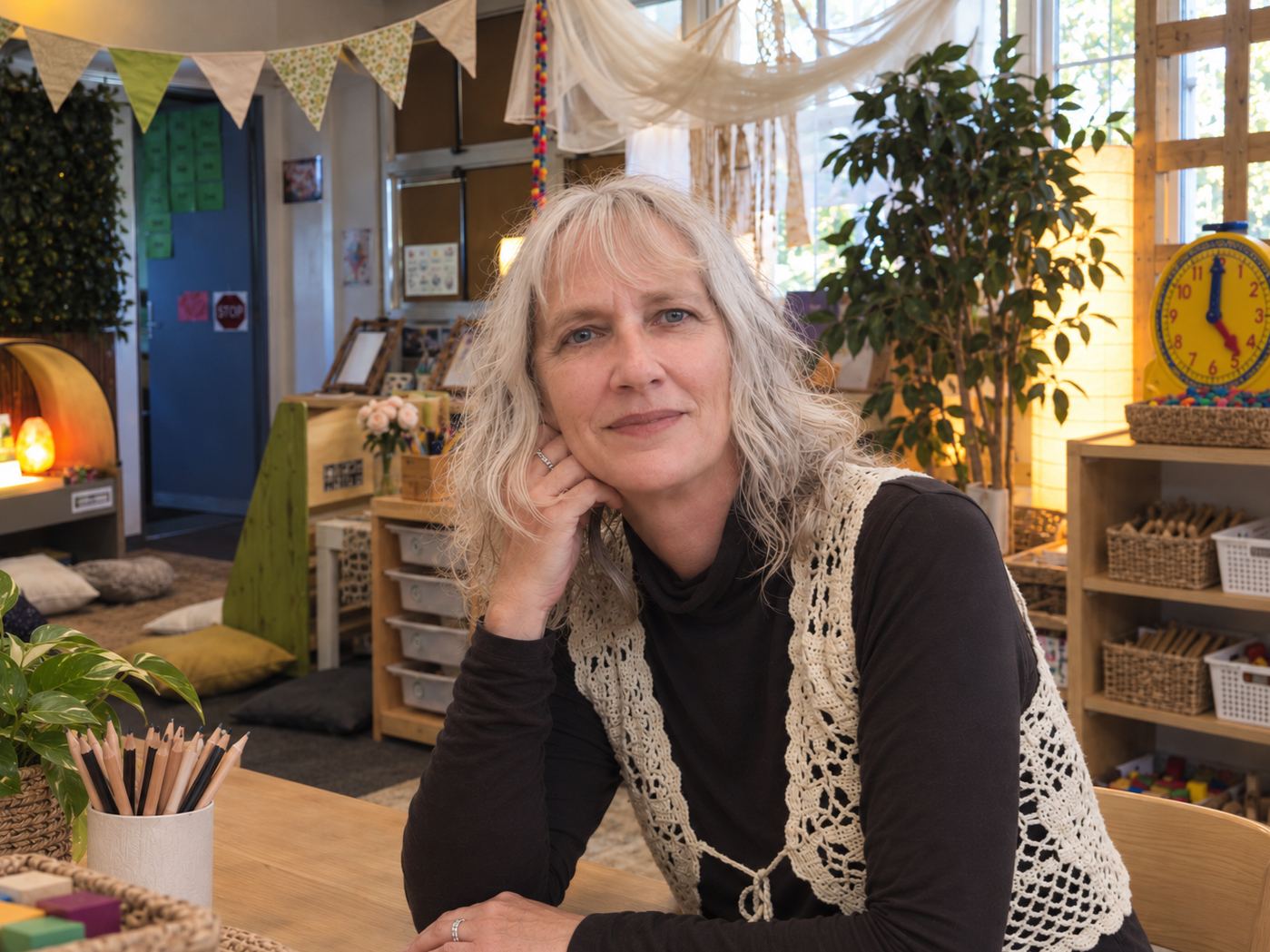
I'm Janelle - a play-based early years teacher who is super passionate about creating learning experiences that boost curiosity, creativity, and academic growth.
On this blog, I share practical tips for meeting curriculum benchmarks through a balance of explicit teaching and play, setting up the ideal learning environment and fostering social-emotional development.
So, let’s make play-based teaching work in your preschool, kindergarten, or first-grade classroom!

The Rotation Schema
Are your students spinning, twirling, and turning objects or even themselves? They are exploring the rotation schema. This blog post explores the rotation play schema in detail and gives you 46 engaging activities you can use to support the rotation play schema in your classroom.

The Trajectory Schema
The trajectory schema is all about movement. If you have children in your classroom throwing things, fascinated with moving objects or force and motion, you have children developing their trajectory schema. Discover exactly what this play schema is and get heaps of playful hands-on activities you can use to support them.

The Transforming Schema
The transforming schema is all about change and how things transform in substance or appearance. If you have children in your classroom mixing sand with water or drawing and painting on their bodies, you might have children developing their transformation schema. This blog post will explain exactly what this play schema is and give you a heap of playful hands-on activities to support it.

The Connecting Schema
The connecting schema is all about how things connect and separate. If you have children in your classroom tying things together, fascinated with tape or building and knocking over towers of blocks, you have children developing their connection schema. This blog post will explain exactly what this play schema is and give you a heap of playful hands-on activities to support it.

A Guide to Play Schemas in Early Childhood Education
If you would like to create an engaging and effective learning environment and confidently plan learning experiences that perfectly match the cognitive development of each child in your class, this blog post on play schemas is for you. Understanding play schemas and being able to pinpoint the ones your students are developing is critical to the success of your early childhood classroom.

How to Write a Statement of Intent for Your Play Based Learning Classroom
If you are familiar with the Walker Learning Approach, then you are no doubt also familiar with writing a Statement of Intent. This fortnightly planning document is vital to the success of your play-based learning program. Check out this blog post to see how we write ours.

How to Write a Play Based Learning Term Overview
If you think curriculum planning and mapping out your term is hard work and you find it a dreaded task that seems to take you forever, you are going to love this blog post on how to write a play-based learning term overview. I’ll show you my quick and easy process.

Teaching Science in a Play Based Classroom
Teaching science in a play based classroom is one of the easiest things you will ever do as a classroom teacher. In this blog post you will discover how play based learning and science education go hand-in-hand. I’ll share heaps of photos and ideas you can use in your classroom to teach science through play and learning provocations.

How to Start with Play Based Learning
Interested in play based or inquiry learning but don’t know where to start? Discover how I do it and find out all the benefits of play based learning. You will also get some practical ideas and my play based learning hints and tips on how you can easily get started learning through play in your classroom today.

Stages of Block Play
Discover the 7 stages of block play and the influences these stages can have to the design of your learning environment. BONUS FREE Block Play Stages pdf to download and print.

What Does the 100 Languages of Children Mean?
In this blog post you will discover what the 100 languages of children means, where the idea started, why it is an important element of a child-centered education program and how you can use the 100 languages of children in your classroom.

Loose Parts Resources
Discover what loose parts are and why you need them in your classroom. Download a FREE list of over 150 loose parts resources you can use to set up age appropriate investigation areas and learning invitations in your early years setting.

Developmental Stages of Play - Piaget
Jean Piaget was a Swiss psychologist in the early 1900s. Read about how his theories of cognitive development reinforce the idea that children can learn through play in your educational setting.

Benefits of Loose Parts Play
There are numerous benefits of loose parts play in the early childhood classroom. In this blog post you will discover what loose parts are and the curriculum learning intentions you can teach through loose parts play.

72 Inspirational Learning Through Play Quotes
Looking for inspirational learning through play quotes? Want some beautiful motivating sayings to display in your classroom or throughout your planning documents? Download a set to use in your classroom today.

Teaching Science in Early Childhood
Find out how to effectively teach the early childhood science curriculum in just 40min a week. The children in my class reach curriculum benchmarks easily. In fact, they learn so much more than the mandated curriculum.